
Food & Drink
Overview
The twelve most important places to see on Gotland at a glance, from the UNESCO town wall in Visby to the raukar and the cave to the beaches, with an honest breakdown of admission costs and free access.
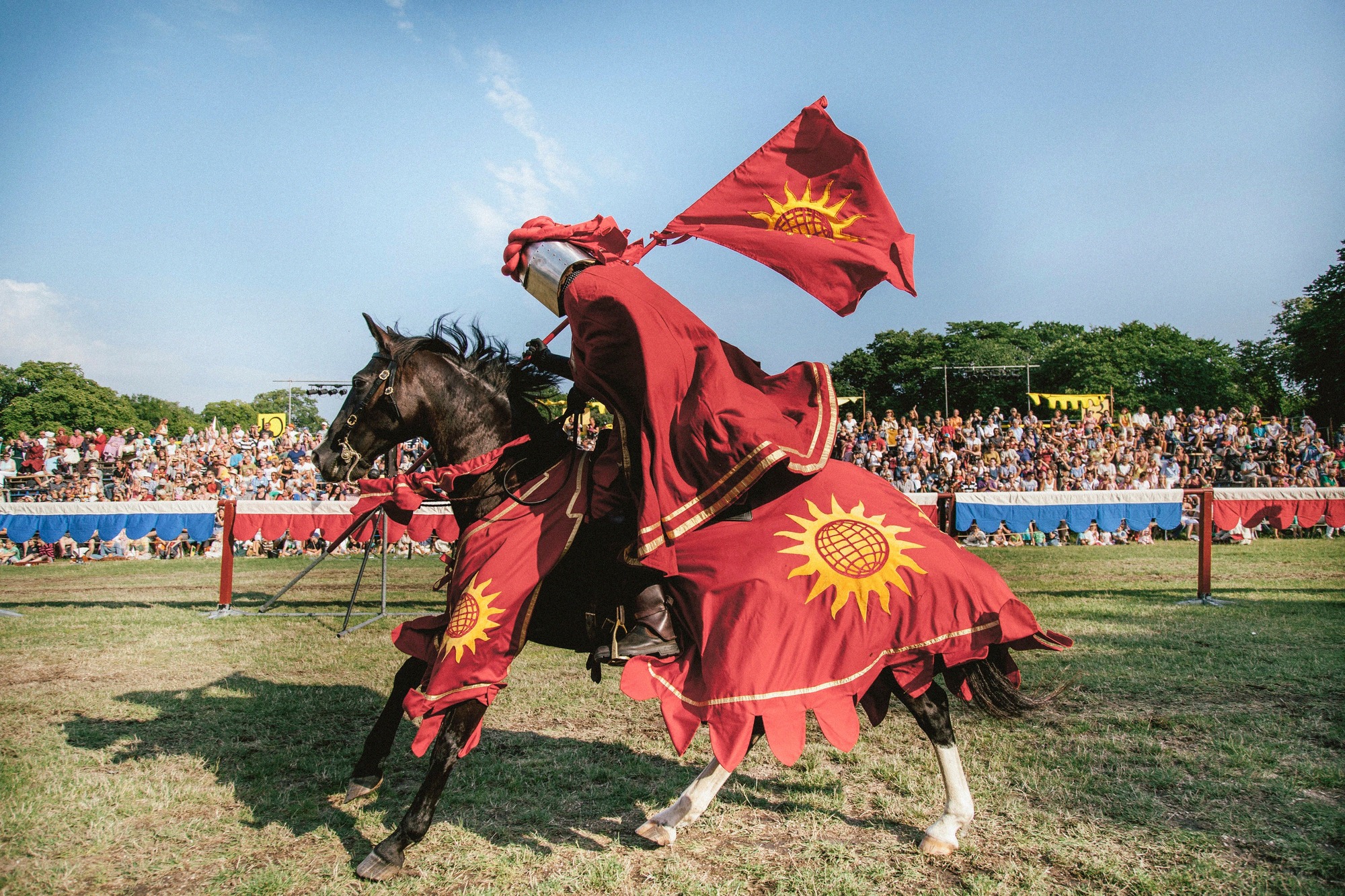
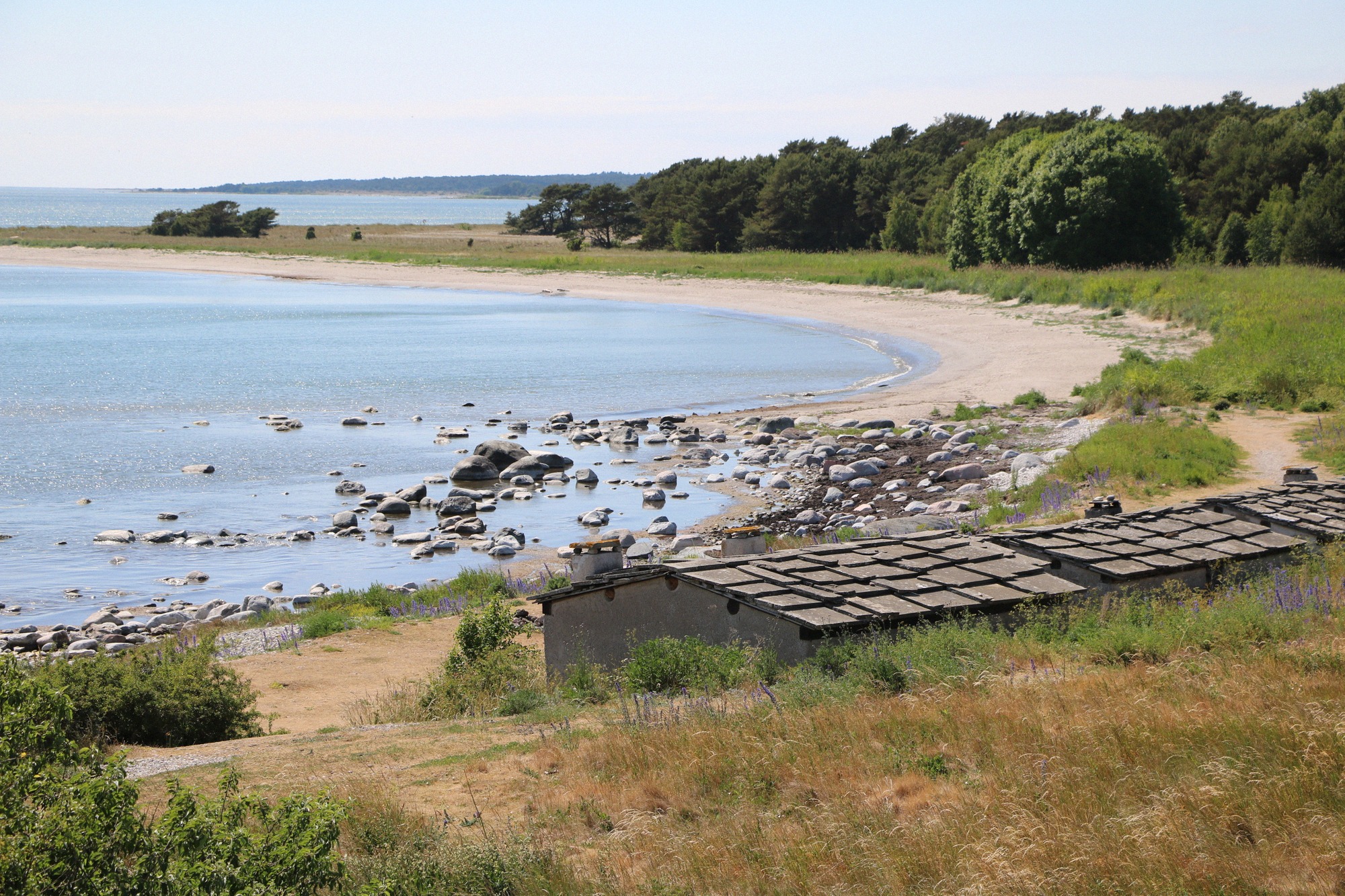
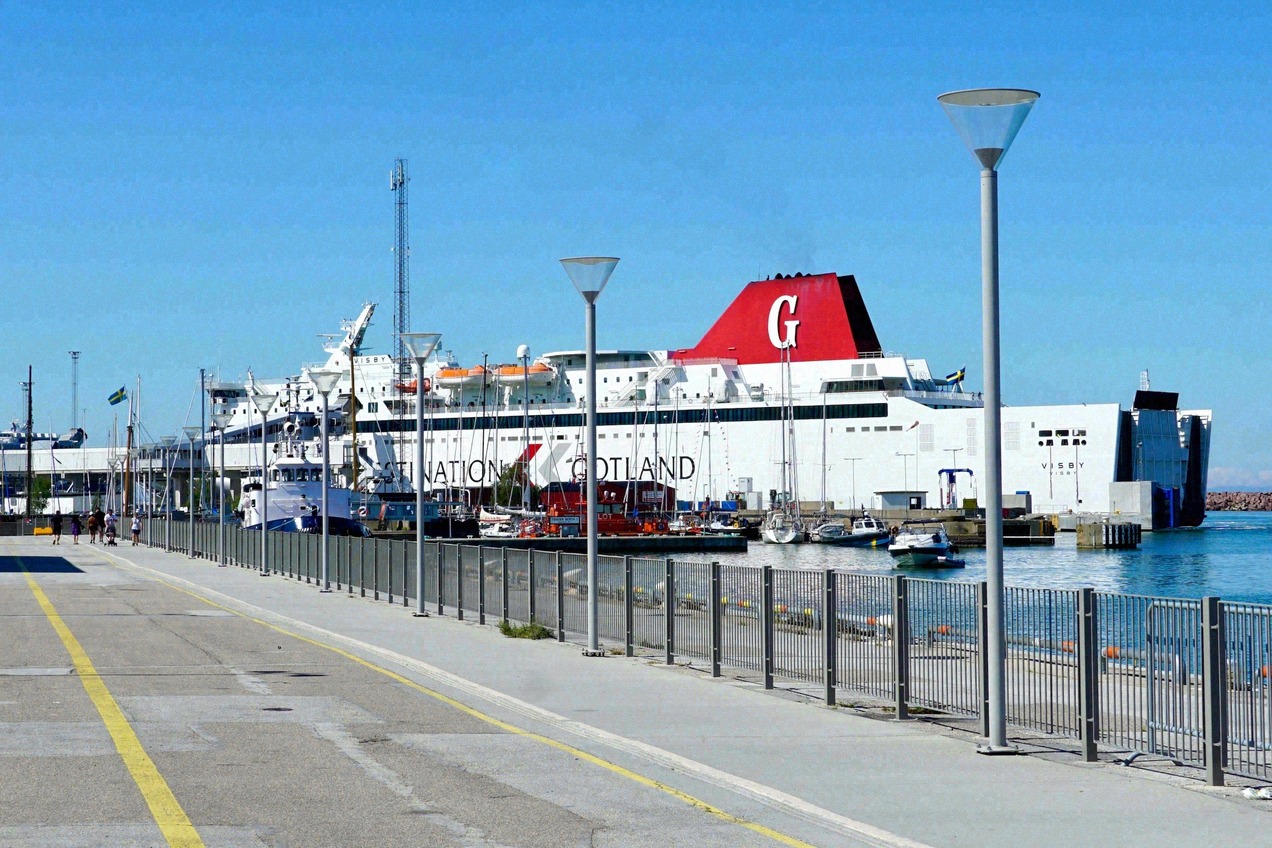
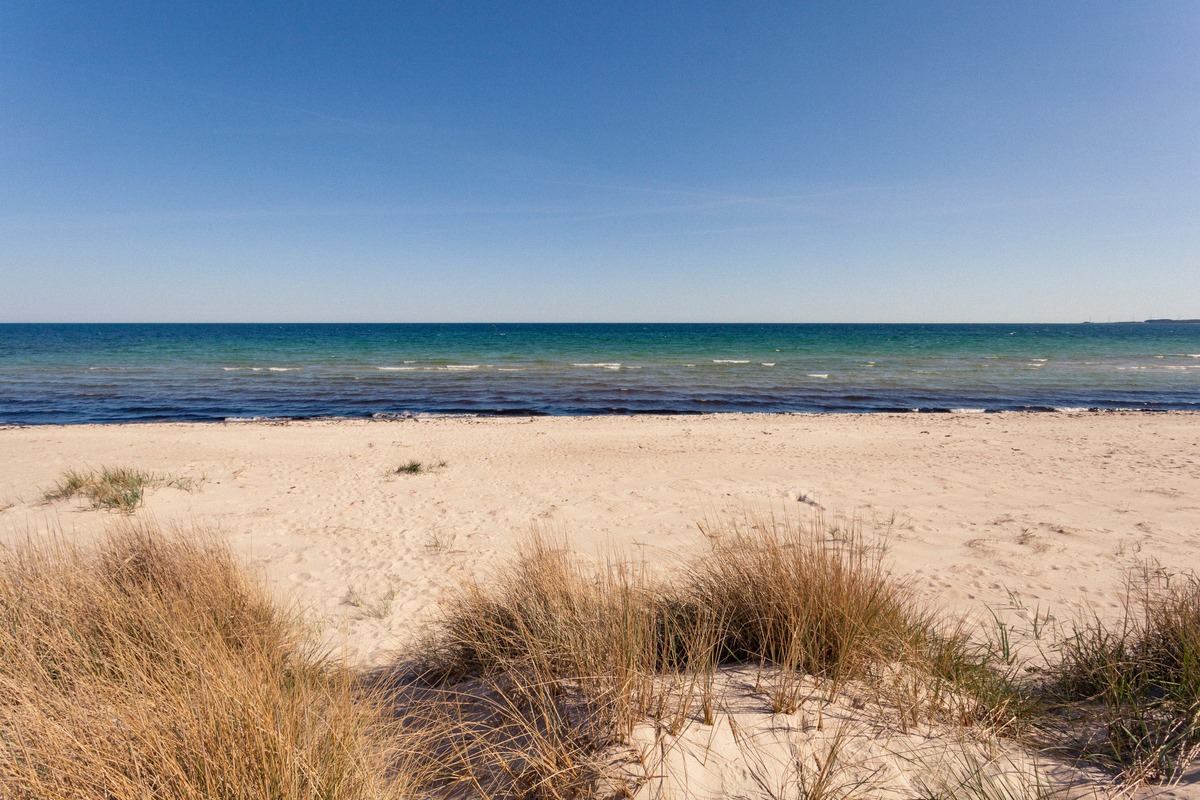
Gotland is large and spread out, and its best-known sights lie scattered across the whole island. This guide brings together the twelve most important ones, from the medieval Hanseatic town of Visby to the raukar stone fields to the beaches, and groups them by what you're looking for. Nine of the twelve are essentially free to visit, and only three charge admission. For the full overview of every sight, see Attractions, and for the beaches, the dedicated beaches hub.
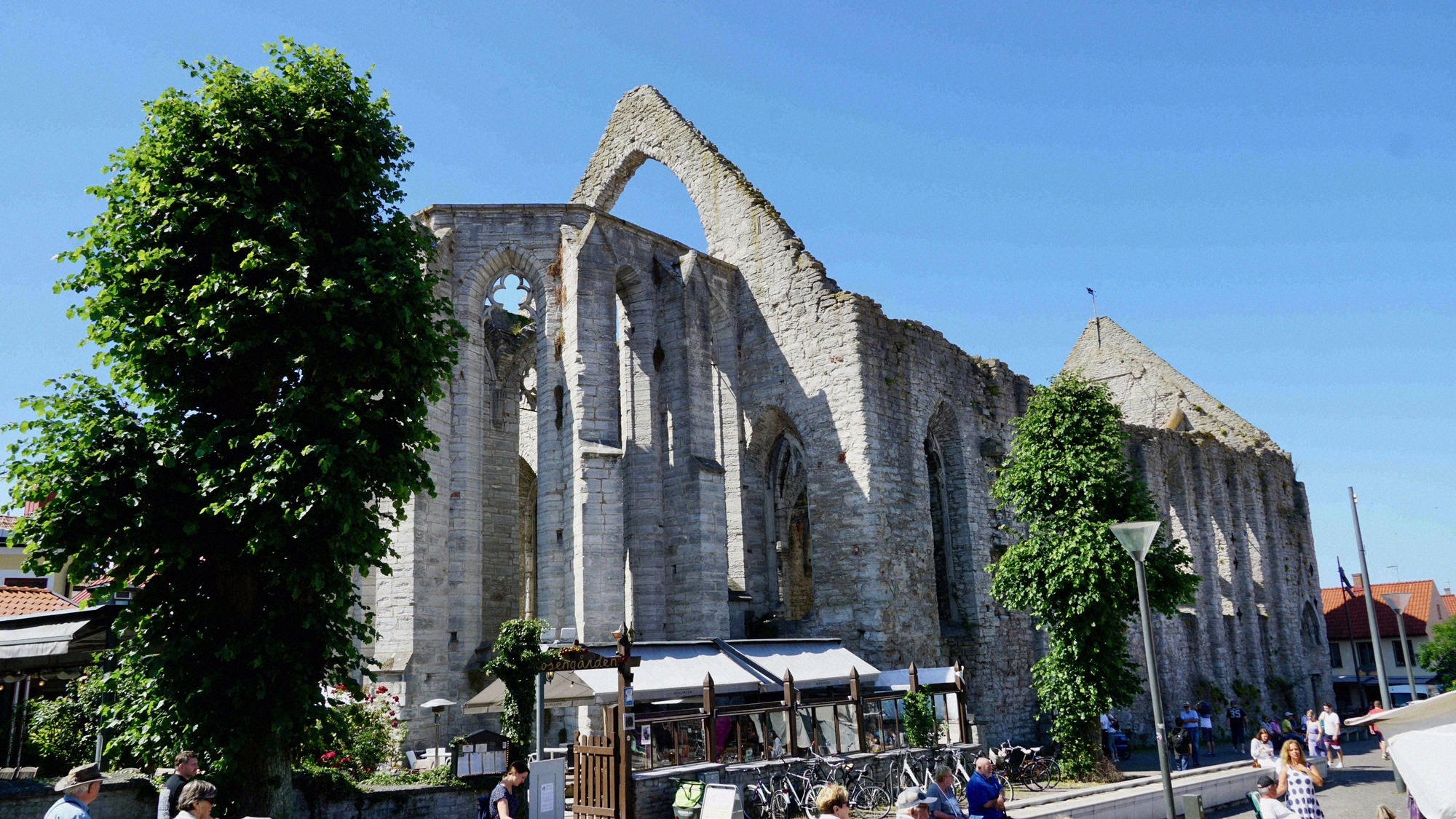
The heart of any visit to Gotland is the Hanseatic town of Visby. The Visby town wall is a UNESCO World Heritage Site and the best-preserved medieval town wall in Northern Europe. The wall and its paths are open year-round, day and night, both outside and in; an outside walk takes around 45 to 60 minutes. Only the wall walk (Väktargången) and the towers can be climbed, and only in the summer season, at your own risk, no fixed opening hours or official prices are published for them.
In the middle of the old town stands Visby Cathedral, the only one of Visby's once-numerous medieval churches still standing. Entry is free for individual visitors, with donations welcome; guided tours are available for an optional fee. Gotlands Museum (Fornsalen) goes deeper into the island's history, with picture stones, silver hoards and medieval art, adults pay 190 SEK from May to September and 140 SEK from October to April, and entry is free under 19. For how to combine all three into a single day in town, see the place guide to Visby.
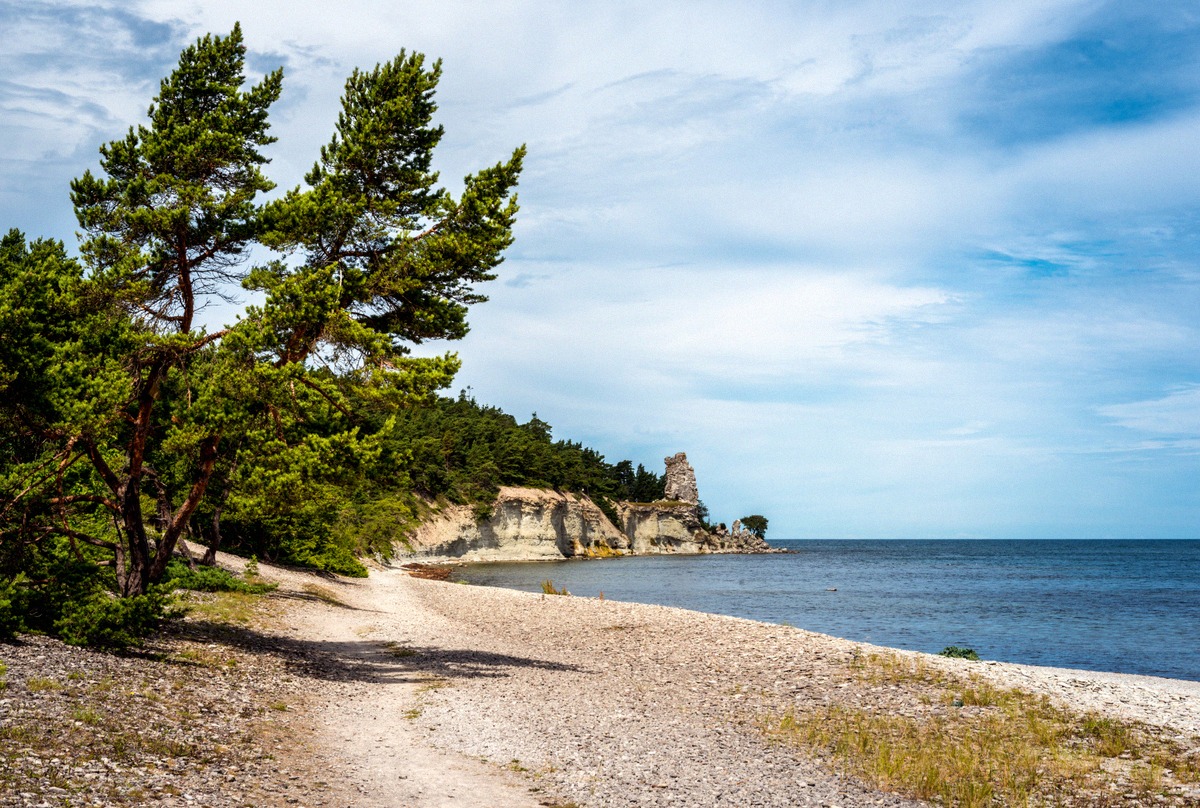
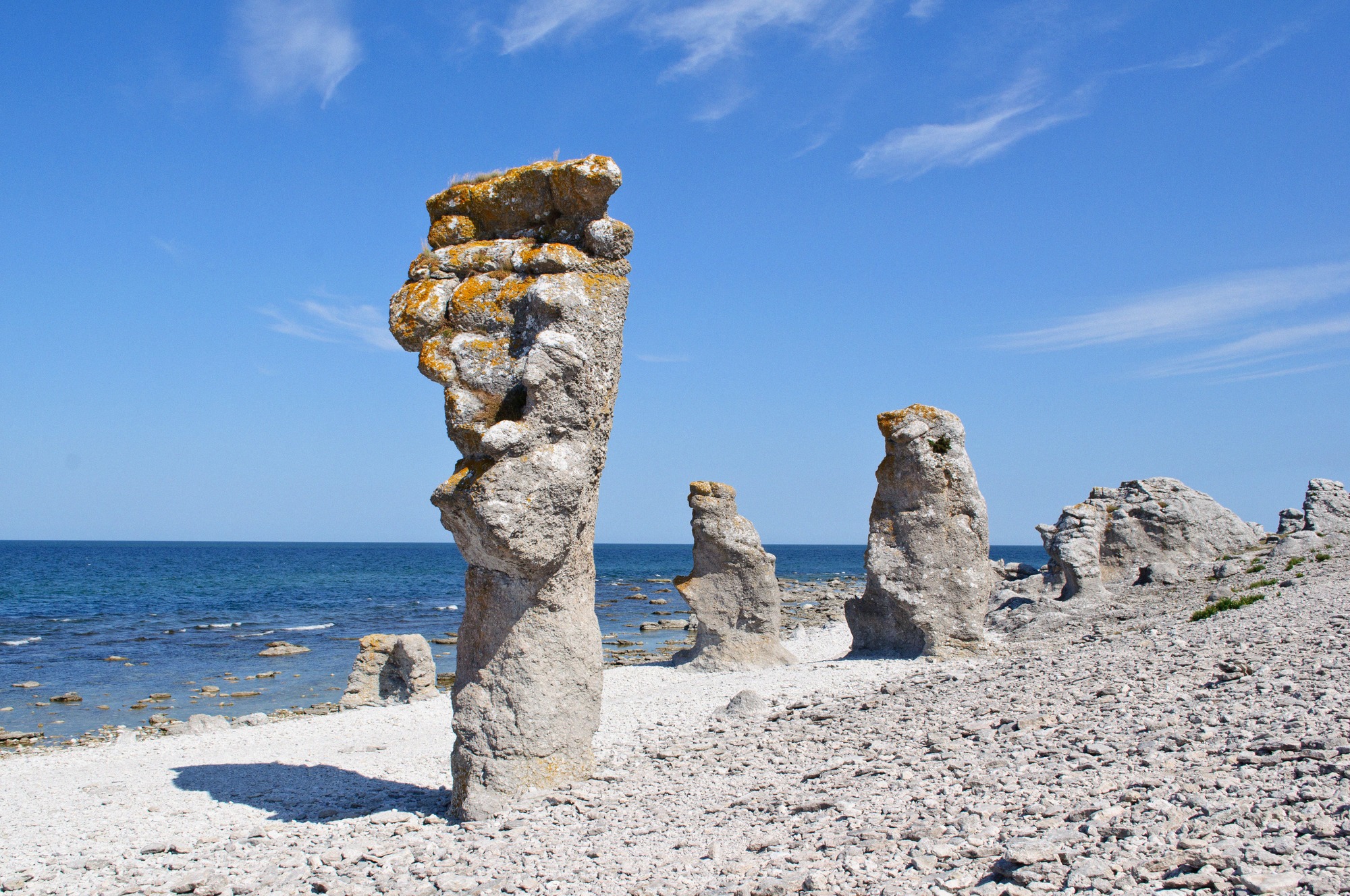
Gotland's landmark feature is the raukar, limestone sea stacks rising from the sea. The most photographed field is Langhammars on Fårö, the scene depicted on the Swedish 200-krona banknote; the nature reserve is free to enter, and the car park carries no stated fee. Right next door, on Fårö's west coast, runs the roughly four-kilometre cliff line of Digerhuvud, Gotland's largest raukar area and also free. On the east coast near Ljugarn lies the Folhammar raukar field, easily accessible and free to visit; a parking fee there is not officially confirmed.
Lummelunda Cave north of Visby offers a change of pace - Sweden's longest limestone cave, accessible only on a roughly 40-minute guided tour (195 SEK for adults, 110 SEK for children aged 4 to 12). It's open daily only in July and August. To dig deeper into Gotland's nature and raukar, see the nature guide and the raukar hub.
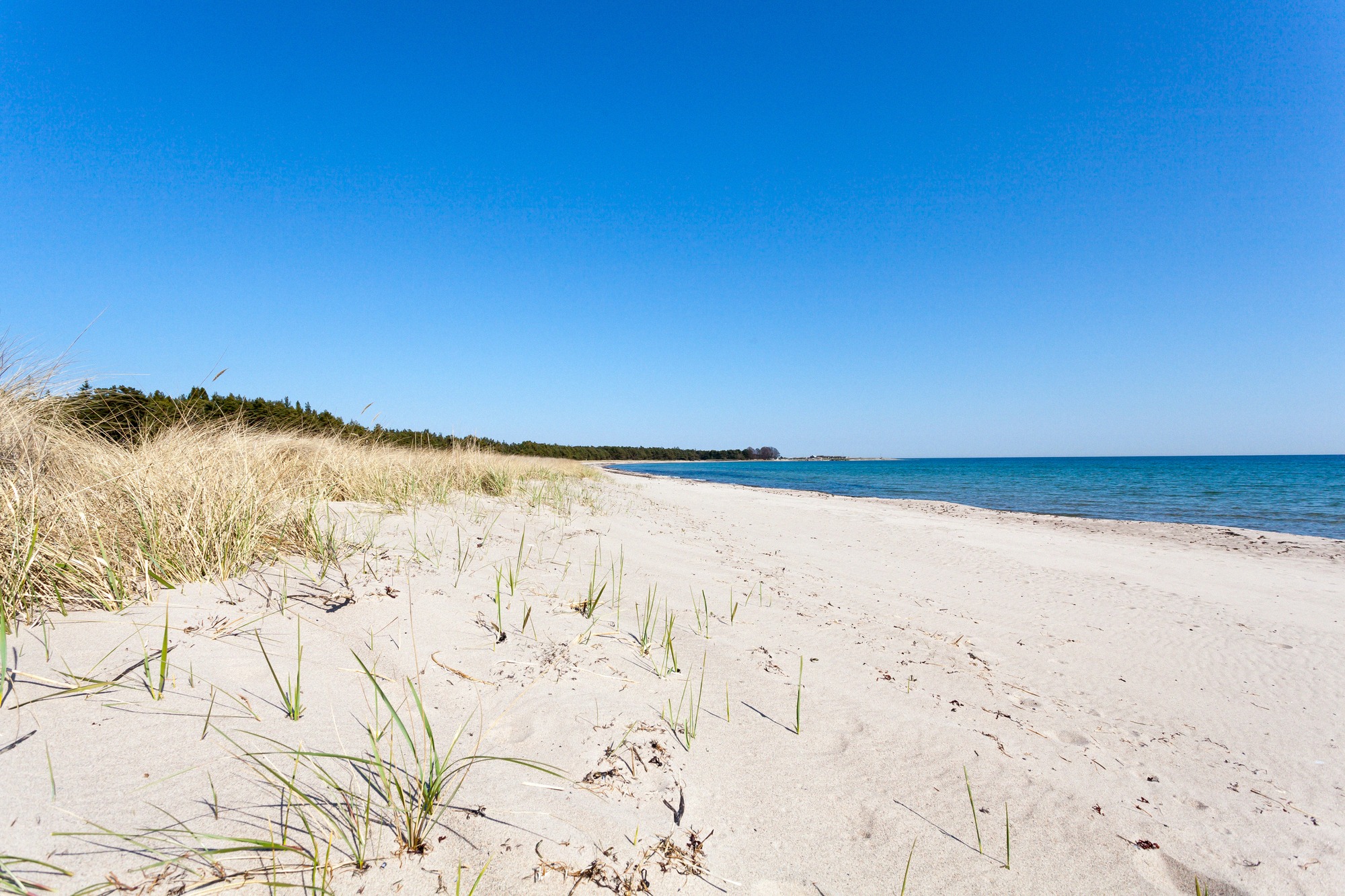
Two beaches stand out for a day by the water: Tofta, around 20 kilometres south of Visby, is the island's liveliest beach with the most facilities, while Sudersand on Fårö is the most scenic. Beach access is free at both; you only pay for extras like parking or camping. The Fårö ferry to Sudersand is free.
Families tend to head for the Kneippbyn amusement park near Visby, with its faithful recreation of the Villa Villekulla house from the Pippi Longstocking films and a water park. It's the island's most expensive sight, a day ticket starts at 375 SEK per person in the off-peak season, and is built around a full day out. A little further afield, and steeped in history, are Roma Abbey in the island's centre (the ruin and Kungsgård park are free year-round, with a large free car park) and Lärbro Church in the north, with its striking octagonal tower, free entry, open daily but only from 15 May to 15 September, otherwise by appointment. For more ideas for a family trip, see the family guide.