
Visby
Medieval Hanseatic town behind the city wall
Visby on Gotland: UNESCO old town, city wall, cathedral, church ruins and museum, with a first-day plan and practical tips.
Contents
The medieval heart of Gotland
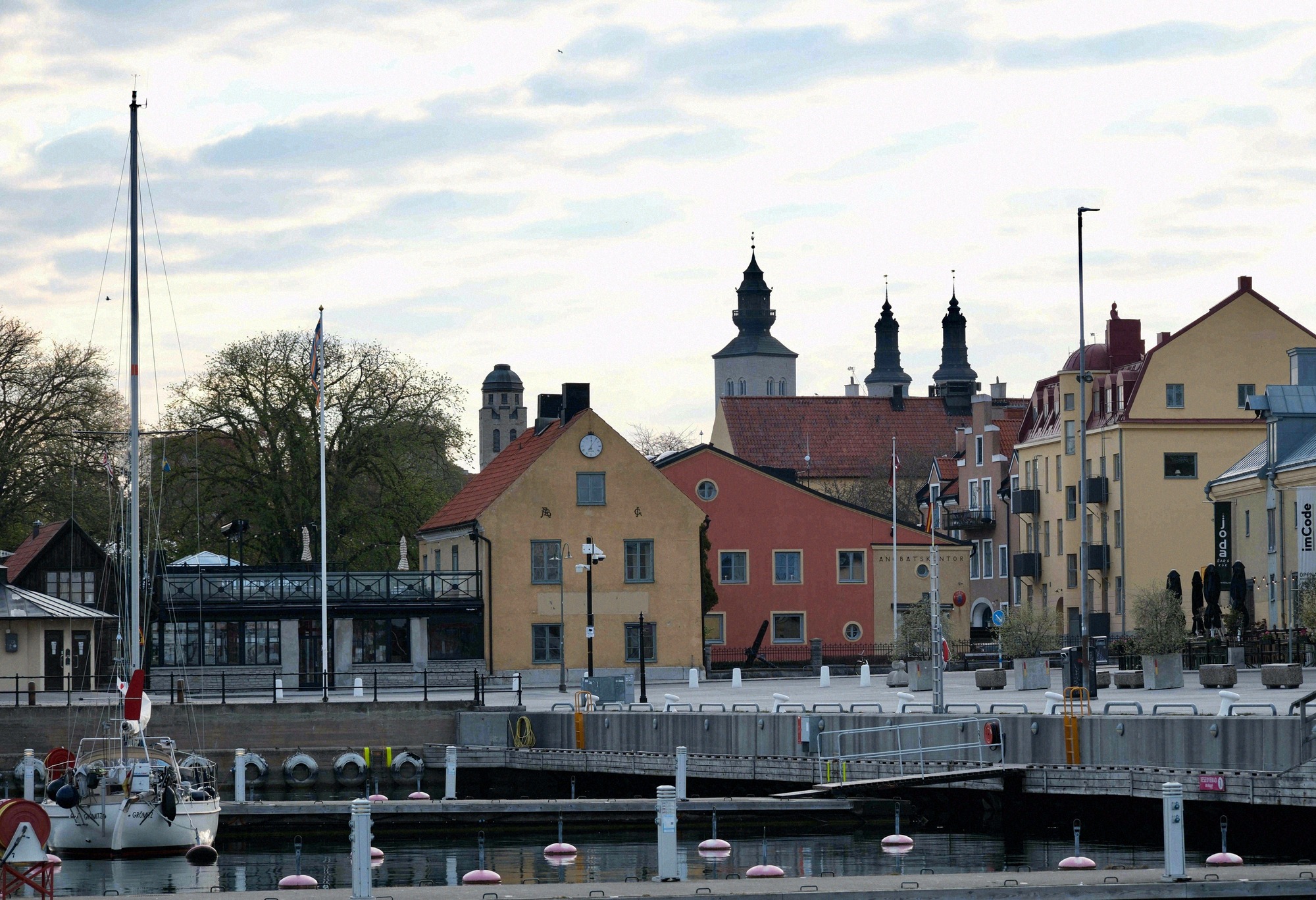
Visby sits on Gotland's west coast and, for most visitors arriving by ferry from the Swedish mainland, is the first place they see on the island. The ferry docks just below the old town, and the airport lies to the north of the city. Inside the city wall you'll find medieval lanes, merchant houses, church ruins and the still-active Cathedral of St Mary.
The Hanseatic town has been a UNESCO World Heritage Site since 1995. What matters is not a single building but the preserved townscape as a whole: the wall, the street layout, the warehouses and merchant houses, and the traces of the churches together tell the story of Visby's role in Baltic Sea trade.
Visby in one day
Morning: city wall and old town
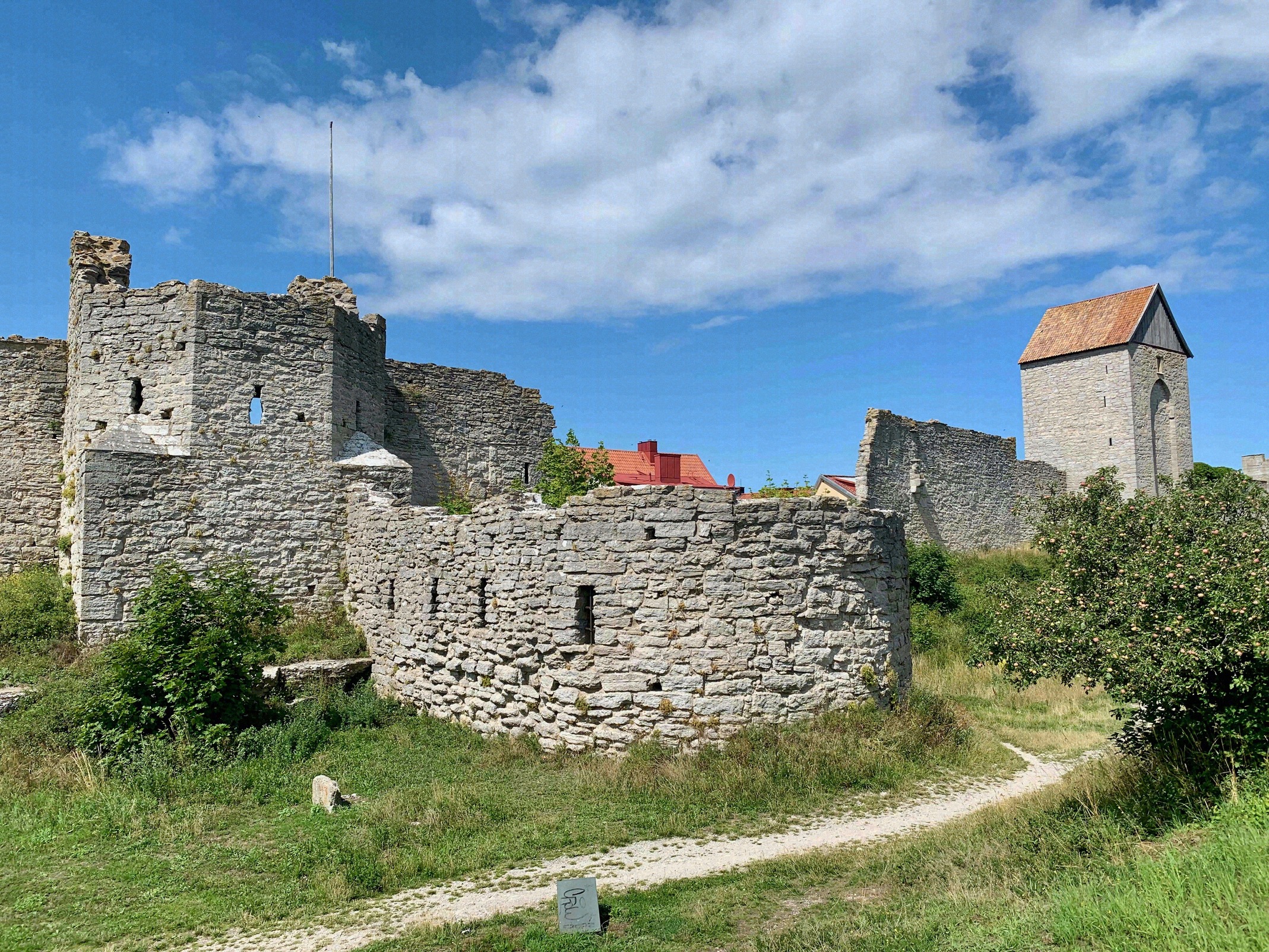
Start at the southern or eastern edge of the old town and follow a stretch of the city wall. A full circuit is possible, but for a first impression the run of gates, towers and the green belt along the wall is enough. From there, walk through the lanes to Stora Torget and the ruins of S:ta Karin.
Midday: cathedral and lanes
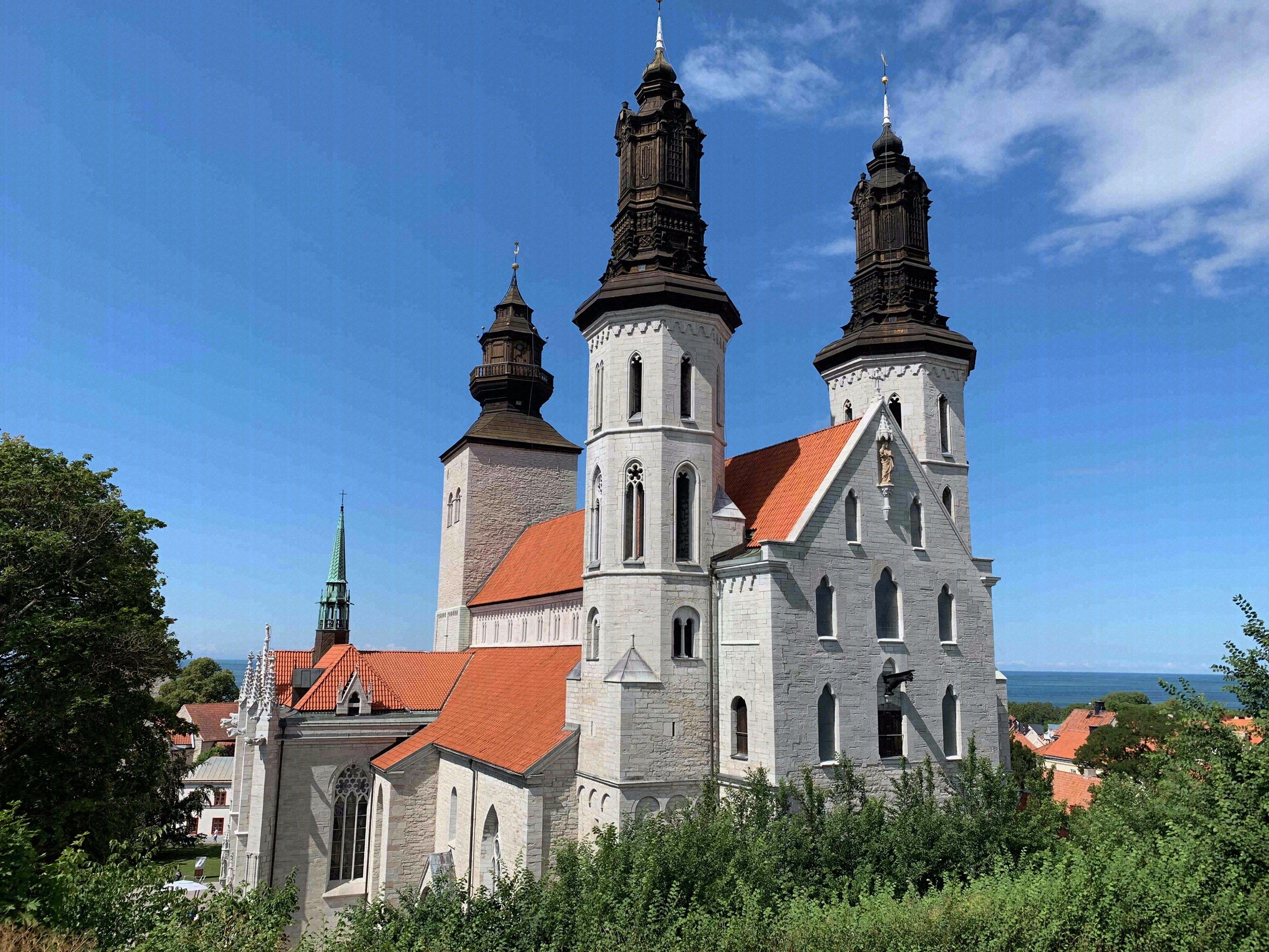
St Mary's Cathedral is the medieval church still in use today. From there, short walks lead to Fiskargränd, Strandgatan and the merchant houses near the coast. Build in time without a fixed list - Visby's charm lies just as much in courtyards, gaps in the wall and glimpses of the sea.
Afternoon: Gotlands Museum or the Botanical Garden
Gotlands Museum is the best way to put the picture stones, the Viking Age and Hanseatic history into context. In good weather, the Botanical Garden in the wall's north-west corner is the quieter alternative. Check current opening hours directly with the museum or the cathedral.
Evening: Visby after the day-trippers
Stay in the old town once the afternoon crowds thin out. Once excursion groups and cruise passengers have left, the wall walks, viewpoints and squares grow noticeably calmer. That's the biggest advantage of staying overnight inside the walls rather than visiting for the day only.
What to prioritise
| If you have… | Prioritise… |
|---|---|
| just two hours | city wall, Stora Torget and the cathedral |
| half a day | a loop of the old town plus the church ruins |
| a full day | add Gotlands Museum and an evening stroll |
| kids with you | a short wall loop, the museum, or Kneippbyn just outside town |
| Medieval Week | book programme and accommodation well in advance, and aim for the quieter times of day |
The Gotland map shows the city wall, cathedral, museum and other sights in relation to one another.
Practical orientation
The old town is compact but not always easy going: cobblestones, slopes and historic gateways can make walking harder. Comfortable shoes are worth it. If you're arriving from the ferry with luggage, check the route to your accommodation in advance and, where possible, leave larger bags there before setting out on your old-town walk.
You won't need a car in Visby itself. For buses across the island, the bus station just outside the wall is the key starting point. If you want to combine several out-of-town sights in one day, a hire car or your own vehicle helps.
Visby as a base for Gotland
Visby has the widest choice of places to stay, restaurants and services on the island. For a first visit it's therefore a good base, especially if you don't have a car. Nearby trips lead to the Lummelunda Cave, to Tofta Beach or inland to Roma.
Fårö and the large rauk formations in the north are worth a dedicated day. For more combinations, see sights by region.
When Visby gets busiest
In summer, Visby draws large numbers of day visitors. Additional peaks come with Almedalen Week and Medieval Week. Plan accommodation, ferry crossings and individual events well ahead for these periods. If you can be flexible, you'll find the town quieter in the morning, in the evening, or outside the big event weeks.
Frequently asked questions
How much time do you need for Visby? +
Can you explore Visby on foot? +
Do you need a car in Visby? +
Why is Visby a UNESCO World Heritage Site? +
Around Visby
Gotlands Museum
Gotlands Museum (Fornsalen) in Visby displays Gotland's picture stones, the Viking silver hoard from Spillings and the island's history from the Stone Age to the Hanseatic era.
Visby Cathedral
Visby Cathedral (Sankta Maria) is the only medieval church in Visby still in use, seat of Gotland's bishop, once the church of the German Hanseatic merchants.
Visby City Wall
The Visby ring wall encloses almost the entire old town and is regarded as Northern Europe's best-preserved medieval town wall, part of the UNESCO World Heritage Site.
Kneippbyn
The amusement and water park south of Visby is home to Villa Villekulla, the original film house from the Pippi Longstocking movies.