
Roma Abbey Ruins
Cistercian abbey ruins in the geographic centre of Gotland
Roma Abbey, the Cistercian monastery founded in 1164 in the geographic centre of Gotland, is now a freely accessible ruin with parkland and a café.
Contents
A monastery at the heart of the island
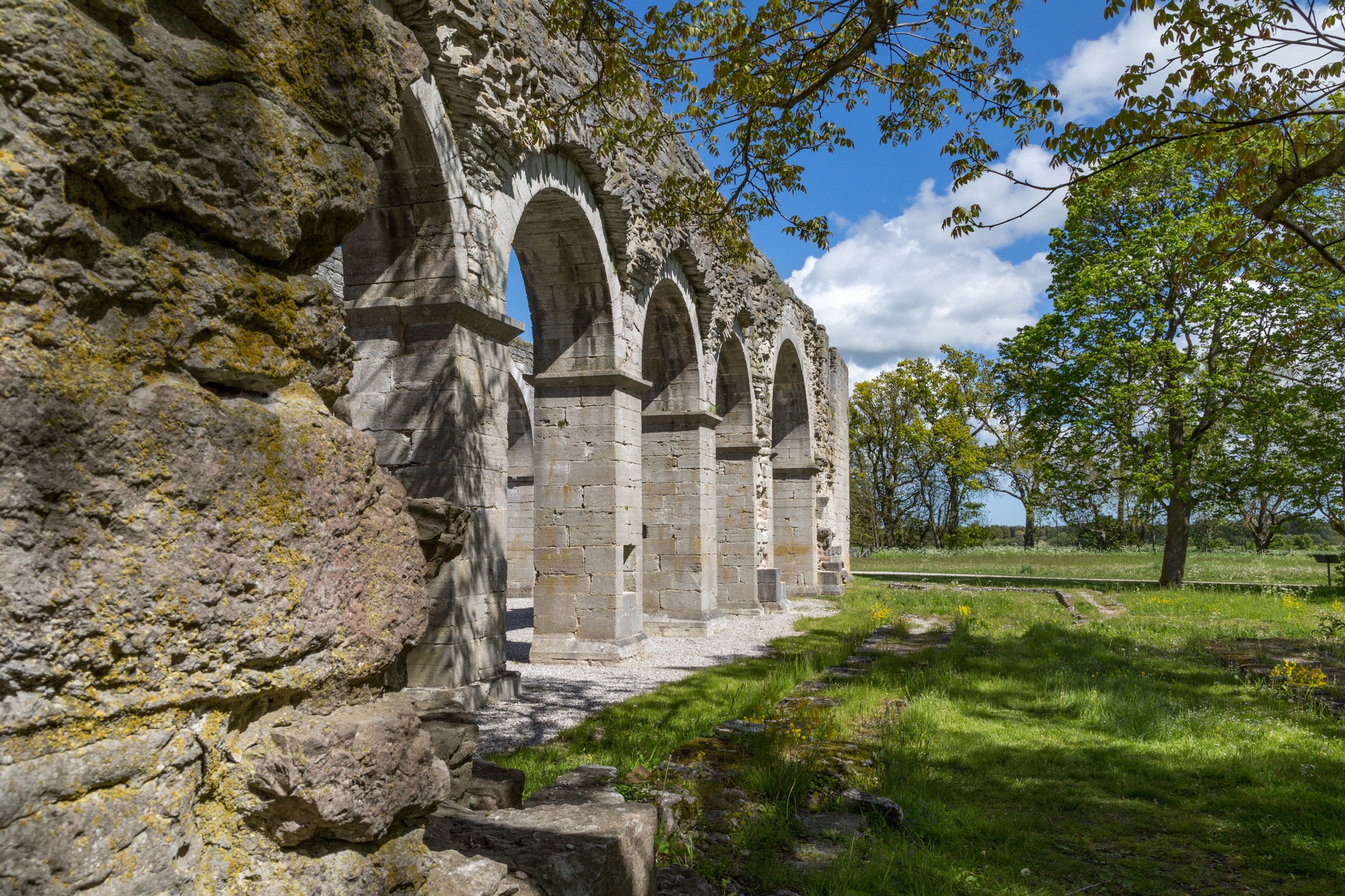
In the geographic centre of Gotland lie the Roma Abbey ruins (Roma kloster), founded in 1163/64 by Cistercian monks from Nydala Abbey in Småland, on the site of the old Gotlandic assembly, the Gutnalting. In medieval times the site was known as Monasterium Beatae Mariae Gutnaliae. The ruined abbey church, with its tall arches, is one of the island's most atmospheric medieval sites, complementing Gotland's roughly 90 rural churches.
The abbey church was a three-nave building of hewn limestone in the typical Cistercian style, built on the model of Fontenay in Burgundy. The site is now managed by the National Property Board of Sweden (Statens fastighetsverk, SFV); its development council includes Region Gotland, the Gotland County Administrative Board (Länsstyrelsen) and the Gotland Museum.
From monastery to ruin
There's a concrete reason why only walls and arches remain of the church. During the Danish Reformation around 1531, the crown confiscated the abbey's estates - the monastery became the royal manor of Roma Kungsgård. But the greatest damage came from a building project in the 18th century: in the 1730s, county governor Johan Didrik Grönhagen had a limestone manor house built on the grounds. For building material, he quarried stone from the abbey church, tore down its vaults, and for a time used the building as a barn. What the Reformation began, the quarrying for the manor house finished.
Theatre in the ruins, a tradition that ended
For decades, the abbey ruins served as a summer theatre stage: from 1989, the church walls formed the backdrop for the Romateatern's Shakespeare productions. That tradition is now history. The last production staged in the ruins was Macbeth in summer 2023; there was no performance in 2024, and in July 2024 the theatre company formally ceased operations after Region Gotland turned down funding and the board stepped down.
No theatre performances are confirmed at the abbey ruins for 2025 or 2026. If you're travelling specifically for a performance, check in advance whether there's a current programme, don't count on it. Current events on the island are listed in the events guide.
What to expect
The ruins stand in a well-kept, park-like setting, the Kungsgård park. On site you'll find:
- a large free car park
- easy gravel paths through the abbey grounds
- information boards explaining the monastery's history
- the neighbouring Roma Kungsgård, with a cultural and craft centre, exhibitions, crafts, shops and a café/restaurant (with its own hours, mostly in summer)
Allow 30 to 60 minutes for the ruins alone. If you also stroll through the park, visit the Kungsgård and stop at the café, plan for one to two hours. The pale limestone walls are at their most atmospheric in the evening, when the low light picks out the arches.
Visiting & practical information
- Access: The abbey ruins and park are freely accessible year-round, 24 hours a day, with no admission charge. The café, shops and craft centre at the Kungsgård are separate and open mostly in summer, prices in SEK.
- Getting there: Roma Abbey is in central Gotland, south-east of Visby, and is easily reached by car via the island's central roads. Address: Roma kloster och kungsgård, 622 54 Romakloster. For arrival tips, see the getting there guide.
- Best time to visit: Summer, from June to August, when days are long and the café and Kungsgård are more likely to be open. Evenings offer the best light on the walls.
- Combine with: Its central location makes Roma a good stop on an island tour. For more on the abbey landscape and rural churches, see the churches guide; for background on the island, see the Gotland facts guide.
Frequently asked questions
How much does it cost to visit Roma Abbey ruins? +
Are theatre performances still held at the Roma Abbey ruins? +
When is the best time to visit? +
Why is Roma Abbey a ruin today? +
Where are the Roma Abbey ruins located? +
Nearby
Kneippbyn
The amusement and water park south of Visby is home to Villa Villekulla, the original film house from the Pippi Longstocking movies.
Gotlands Museum
Gotlands Museum (Fornsalen) in Visby displays Gotland's picture stones, the Viking silver hoard from Spillings and the island's history from the Stone Age to the Hanseatic era.
Visby Cathedral
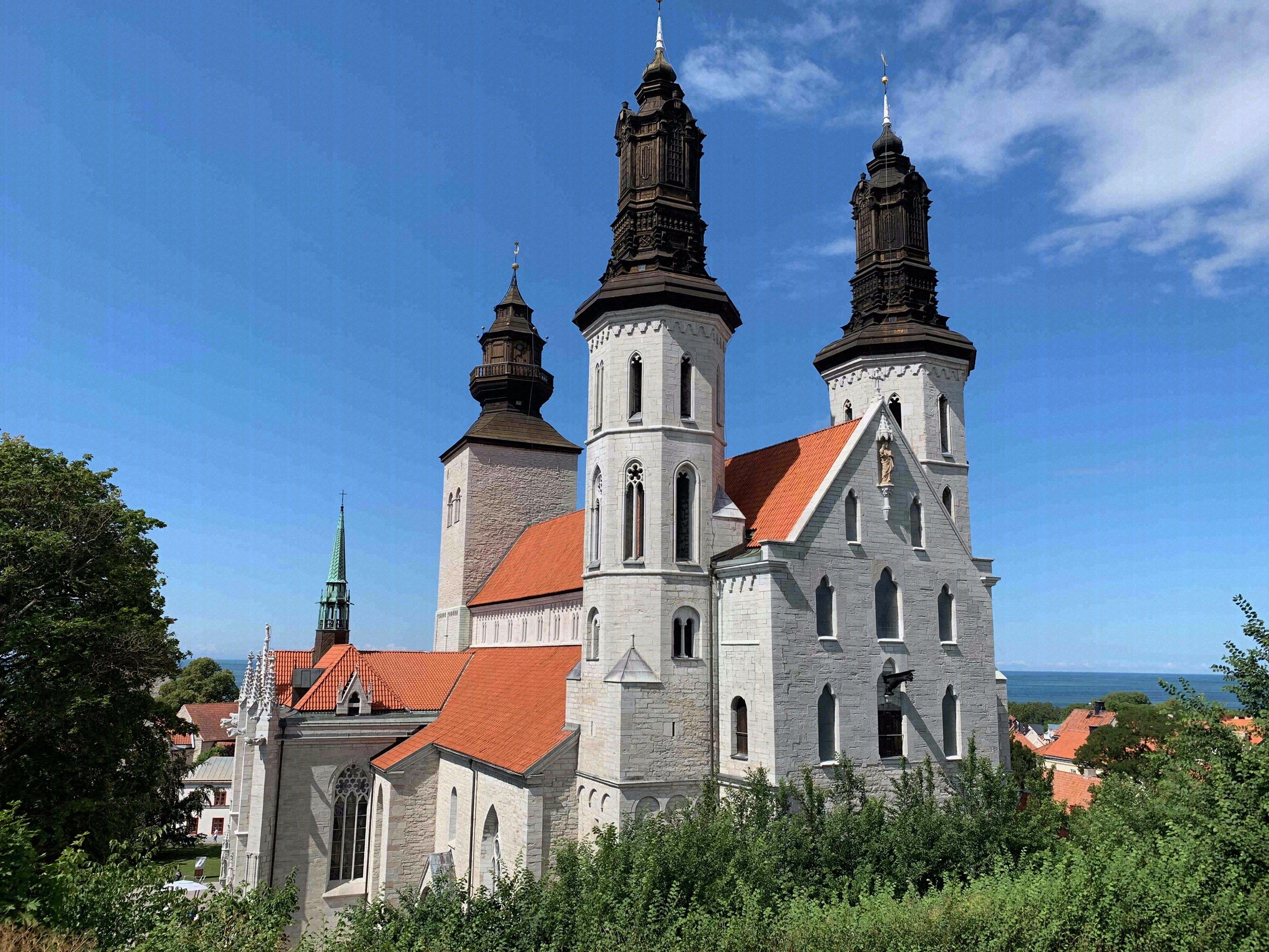
Visby Cathedral (Sankta Maria) is the only medieval church in Visby still in use, seat of Gotland's bishop, once the church of the German Hanseatic merchants.
Visby City Wall
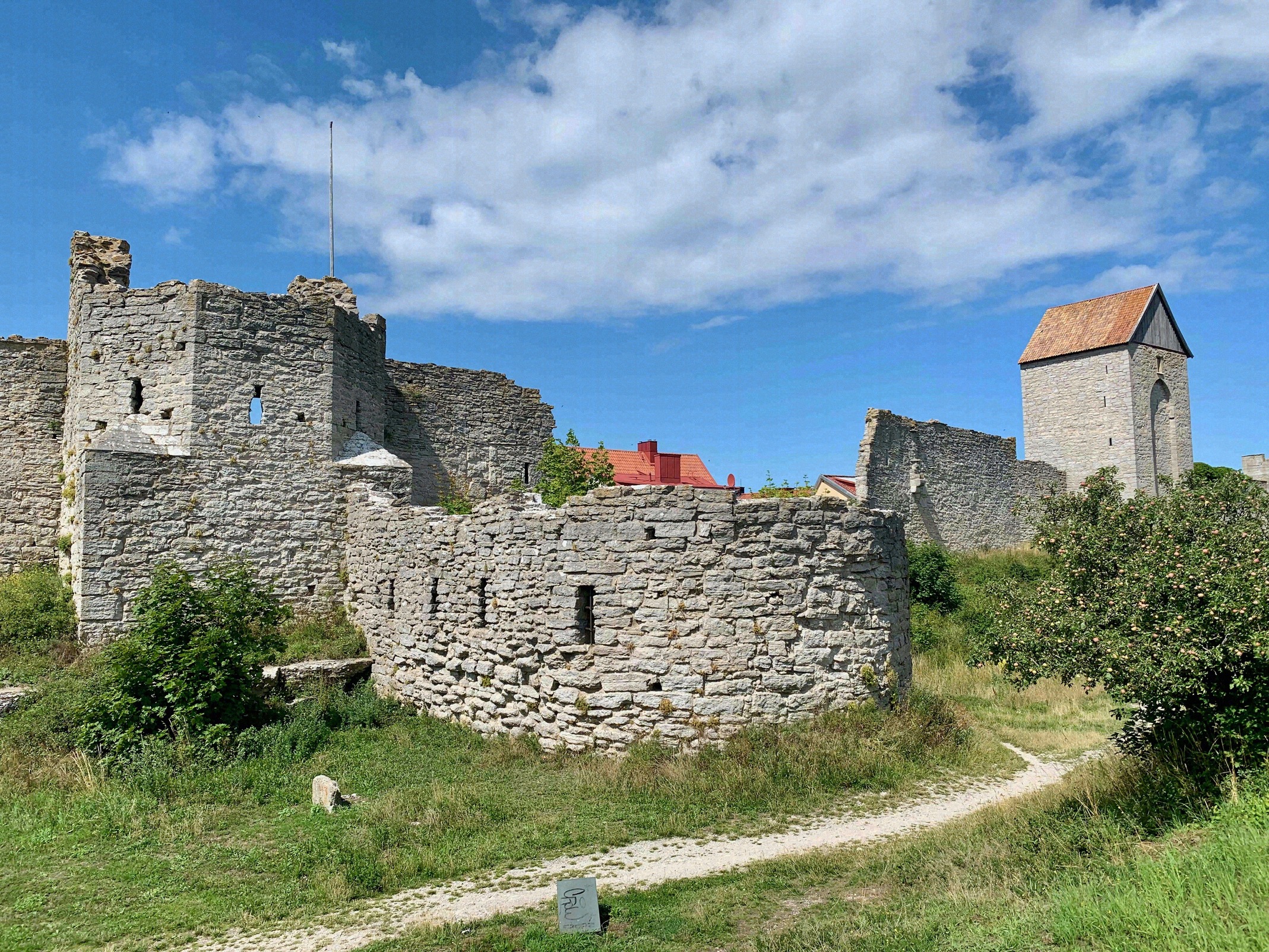
The Visby ring wall encloses almost the entire old town and is regarded as Northern Europe's best-preserved medieval town wall, part of the UNESCO World Heritage Site.
Tofta Beach
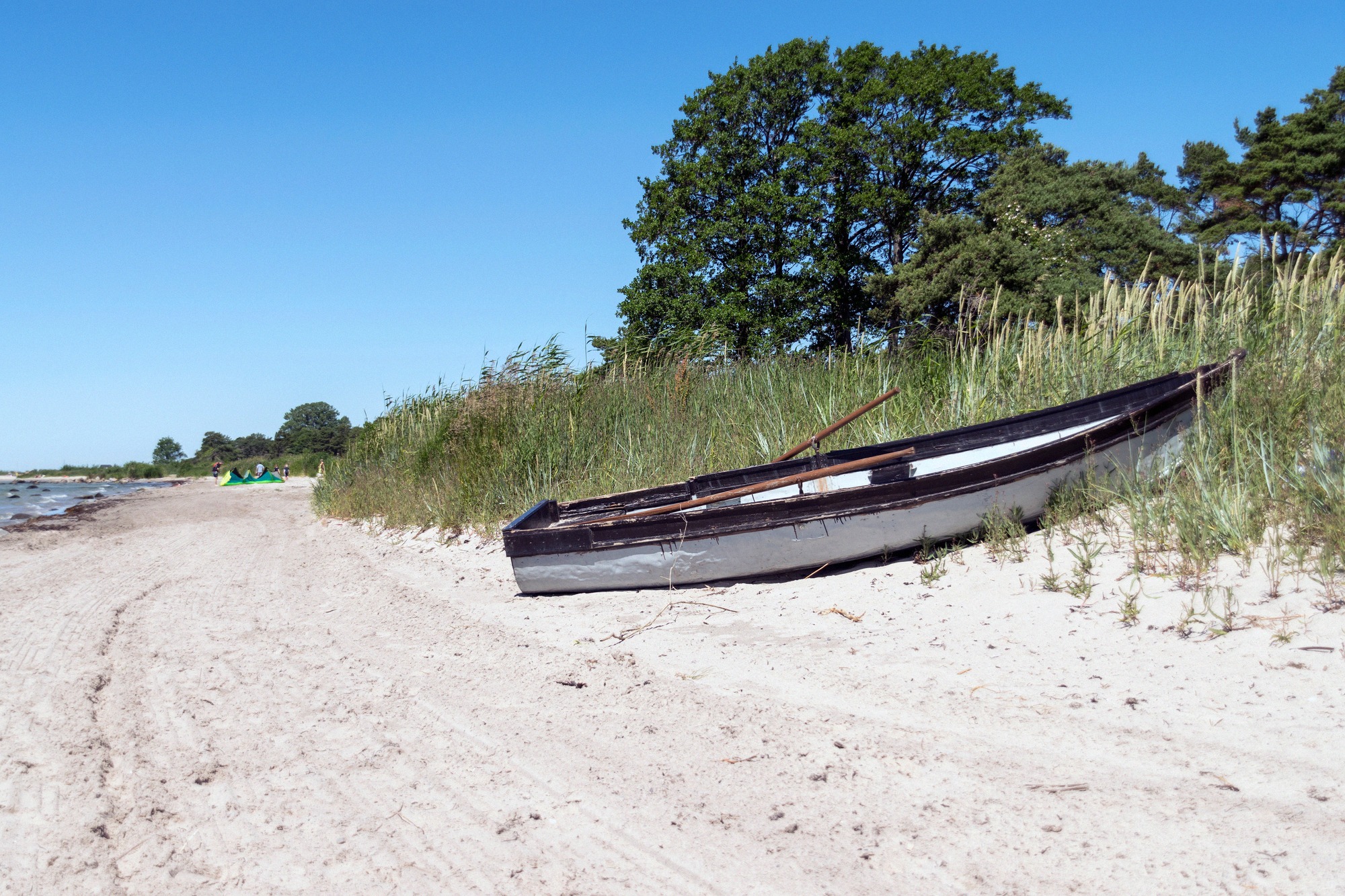
Tofta south of Visby is Gotland's most popular sandy beach, around 2 km of shallow-shelving shore with EU bathing water quality, beach bars, a pool and equipment hire.
Lummelunda Cave
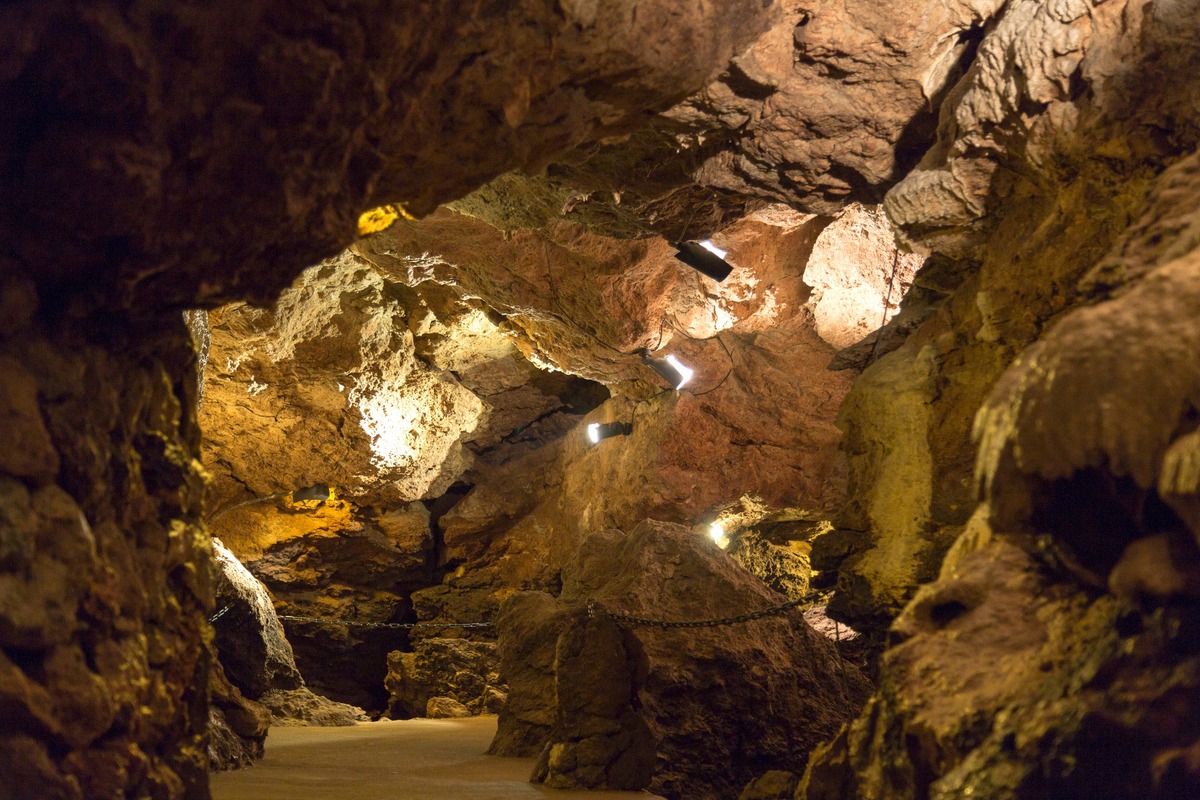
Lummelundagrottan, about 13 km north of Visby, is one of Sweden's best-known limestone caves, cool year-round, with stalactites and underground streams.