
Visby Cathedral
Gotland's medieval cathedral church
Visby Cathedral (Sankta Maria) is the only medieval church in Visby still in use, seat of Gotland's bishop, once the church of the German Hanseatic merchants.
Contents
The living church of the Hanseatic town
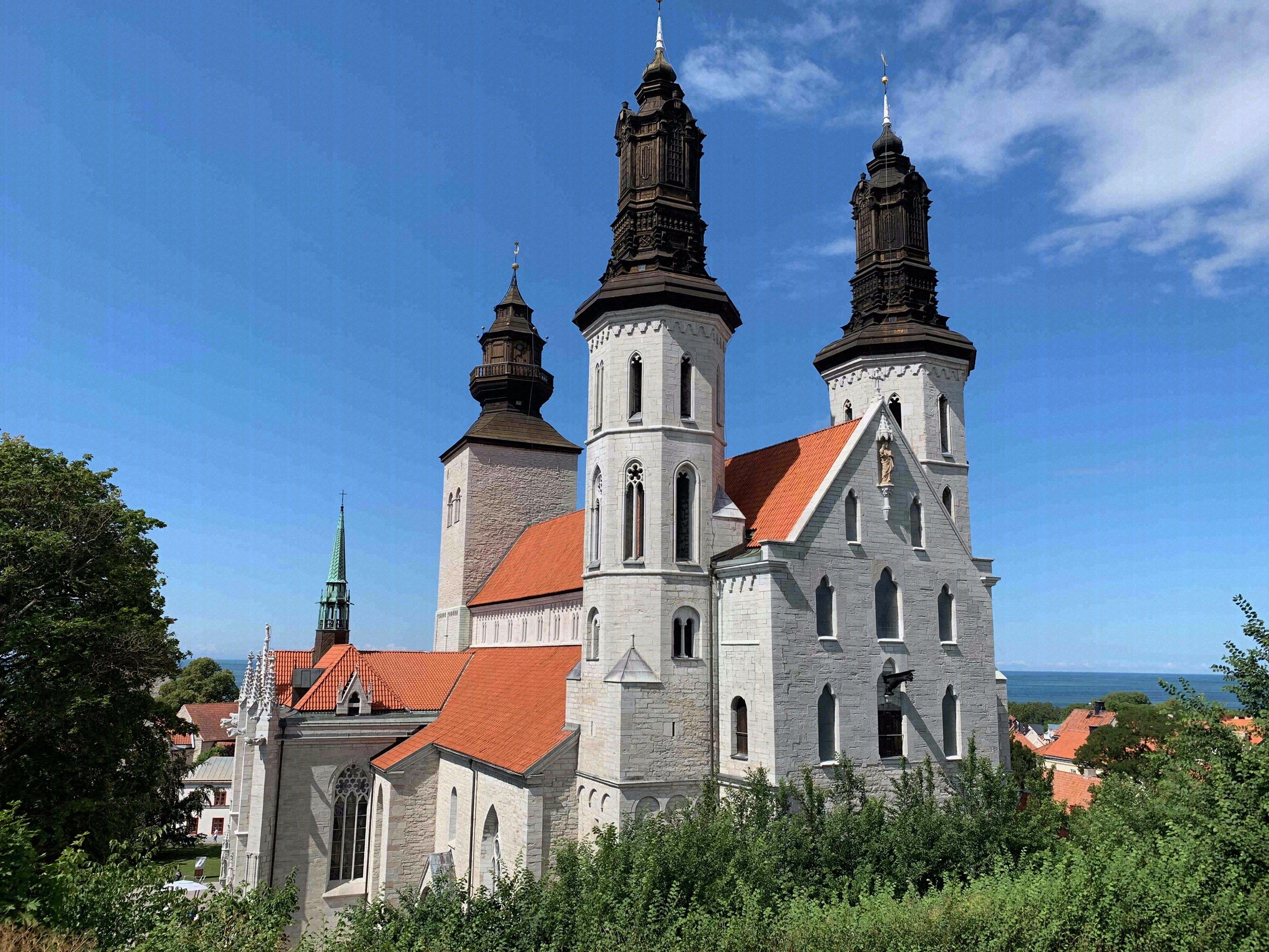
Visby Cathedral (Sankta Maria) is the only one of the once numerous medieval churches of Visby's old town still in use, all the others survive today as striking church ruins within the city wall. It was originally built as a church for the German Hanseatic merchants and consecrated on 27 July 1225. In 1572 it became a cathedral, and it has served as the seat of the bishop of the Diocese of Visby, and the spiritual centre of Gotland, ever since. Around 300,000 people visit it each year.
Construction in stone began in the second half of the 12th century. Stylistically, the cathedral sits at the transition from Romanesque to Gothic: originally laid out as a basilica, it was rebuilt in the Middle Ages as a hall church, following German models from Westphalia and the Rhineland.
The three towers
The cathedral's landmark feature is its three towers. The square west tower was heightened in 1423 and has carried its spire since 1746, at around 58 metres, it is the highest point of the church and a landmark visible above the old town's rooftops. The two smaller, octagonal east towers received their baroque timber spires in 1761. This combination of a medieval core with baroque additions gives the cathedral the distinctive silhouette seen from many points around Visby.
What to expect inside
Despite its layered building history, the interior is rich and varied:
- A 13th-century oak figure of Christ above the main altar.
- A neo-Gothic altarpiece from 1905 depicting the Adoration of the Magi.
- Three choir windows from 1892, designed by Karl de Bouché of Munich.
- Five organs in total, the oldest dating from 1599.
- A carillon of 45 bells from 1960.
- A Hanseatic chest almost 800 years old, a reminder of the cathedral's founding days as a merchants' church.
The cathedral is open to everyone, regardless of background or faith, and visitors are welcome to light a candle.
Visiting & practicalities
- Opening hours: the cathedral is open daily - 9:00 to 17:00 in the low season, 9:00 to 21:00 in high summer (22 June to 16 August), then on a staggered schedule through to the end of the year. Access is restricted during services, baptisms, weddings, funerals and concerts; no visits are possible during the Sunday service (11:00 to approx. 12:30). For a quiet visit, aim for weekday mornings.
- Admission: free for individual visitors, with donations welcome. Allow 20 to 30 minutes for the interior.
- Guided tours: in summer, 45-minute tours run in English, German and Swedish (adults 200 SEK, young people 100 SEK, children free). Private group tours can be booked year-round, contact [email protected] or +46 498-20 68 00.
- Location & getting there: the cathedral stands in the upper part of Visby's old town and is an easy walk from most parts of the centre. For tips on reaching the island, see the getting there guide.
- Combine with: a good stop on a walk through the medieval old town, together with the city wall, the church ruins and the Gotland Museum. Current events and concerts are listed in the events guide.
Frequently asked questions
How much does it cost to visit the cathedral? +
What are the cathedral's opening hours? +
Can I visit the cathedral on a Sunday? +
Are there guided tours in English? +
How old is the cathedral? +
Nearby
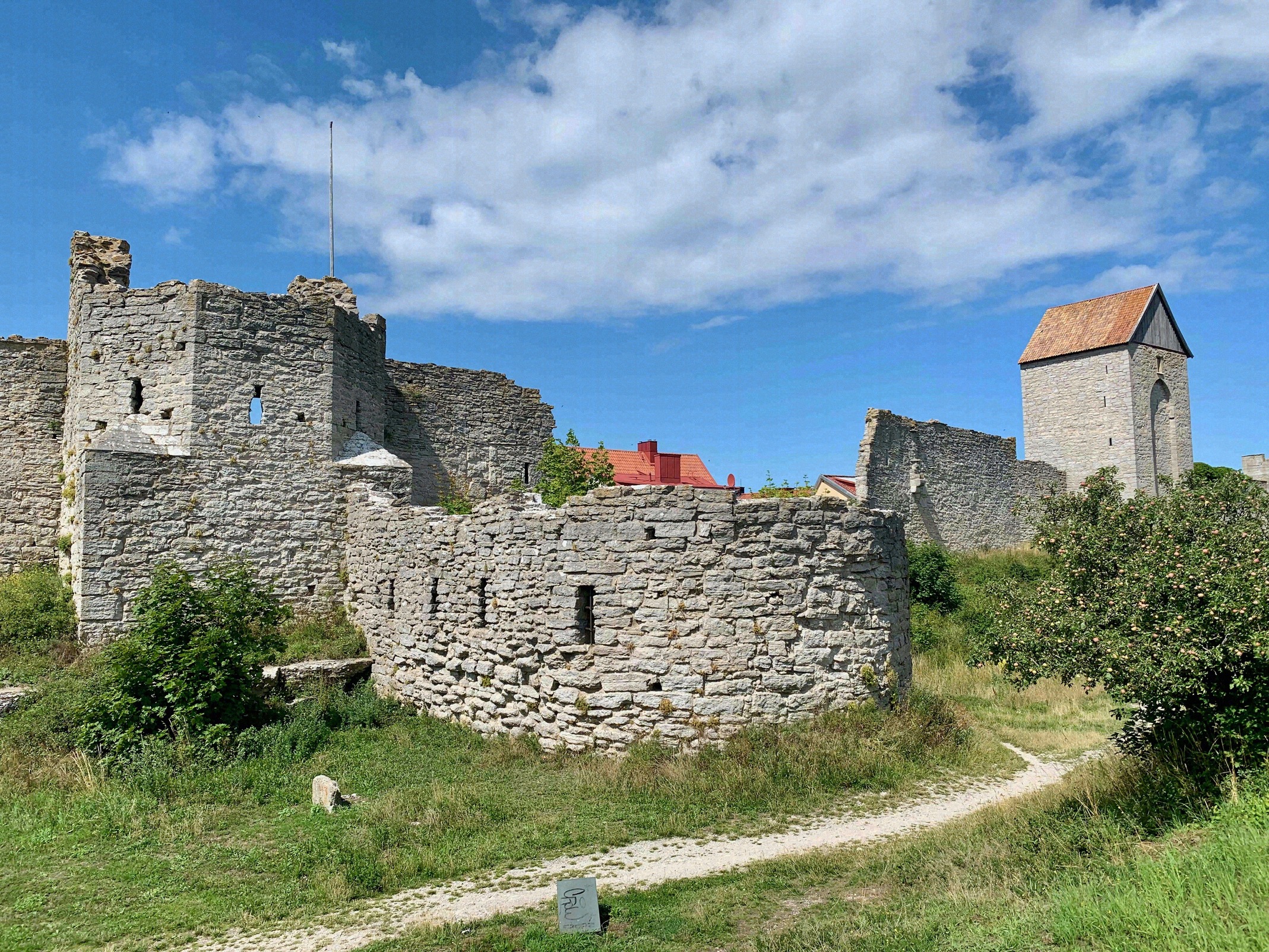
Visby City Wall
The Visby ring wall encloses almost the entire old town and is regarded as Northern Europe's best-preserved medieval town wall, part of the UNESCO World Heritage Site.
Gotlands Museum
Gotlands Museum (Fornsalen) in Visby displays Gotland's picture stones, the Viking silver hoard from Spillings and the island's history from the Stone Age to the Hanseatic era.
Kneippbyn
The amusement and water park south of Visby is home to Villa Villekulla, the original film house from the Pippi Longstocking movies.
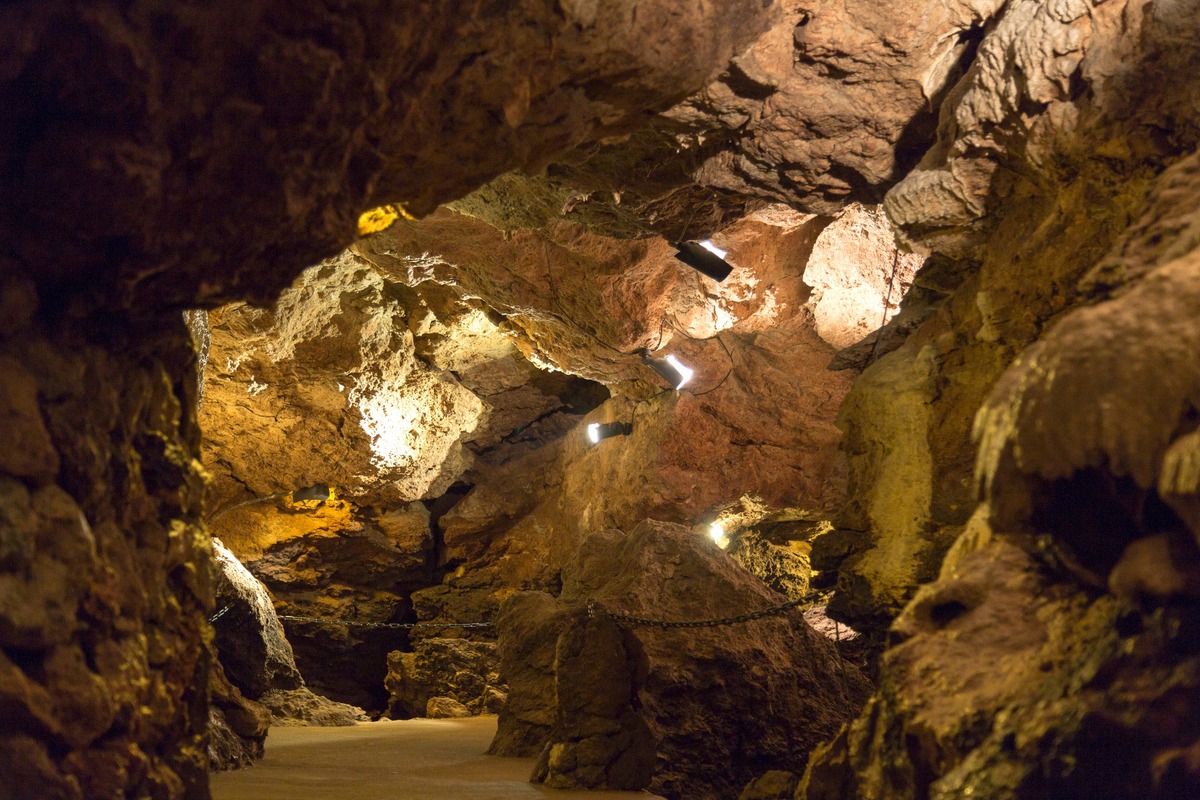
Lummelunda Cave
Lummelundagrottan, about 13 km north of Visby, is one of Sweden's best-known limestone caves, cool year-round, with stalactites and underground streams.
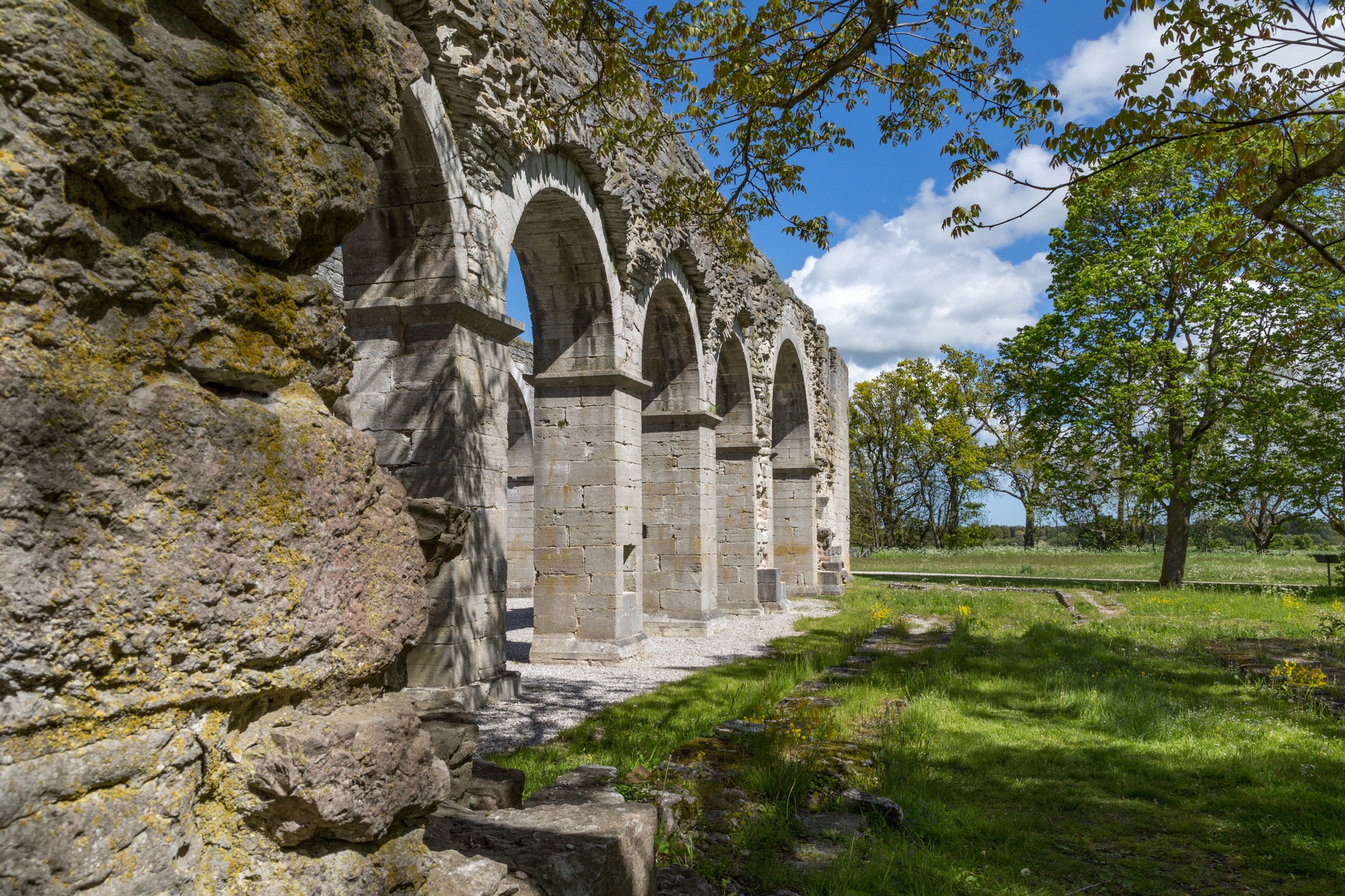
Roma Abbey Ruins
Roma Abbey, the Cistercian monastery founded in 1164 in the geographic centre of Gotland, is now a freely accessible ruin with parkland and a café.
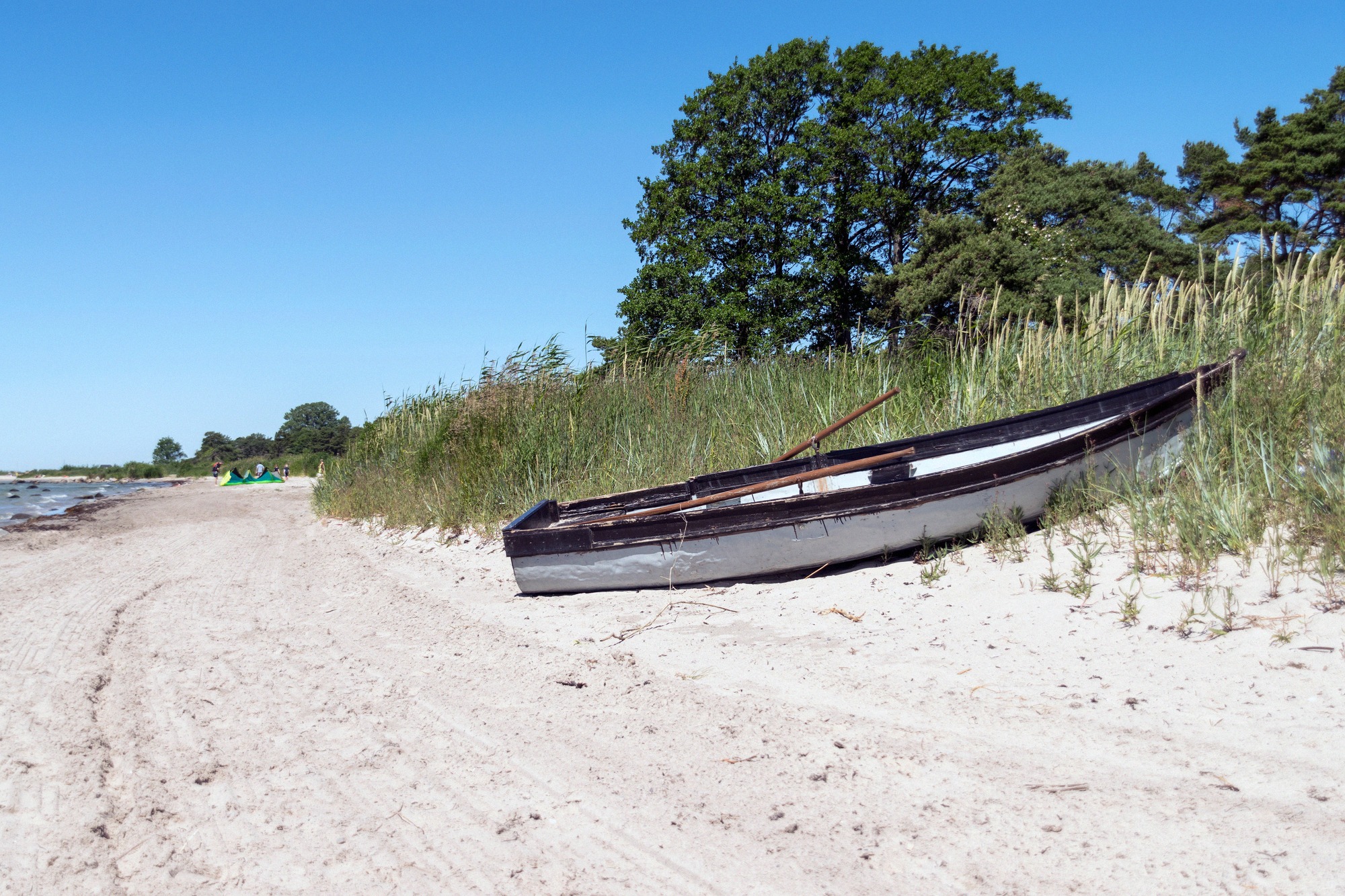
Tofta Beach
Tofta south of Visby is Gotland's most popular sandy beach, around 2 km of shallow-shelving shore with EU bathing water quality, beach bars, a pool and equipment hire.