
Visby City Wall
Northern Europe's best-preserved medieval town wall
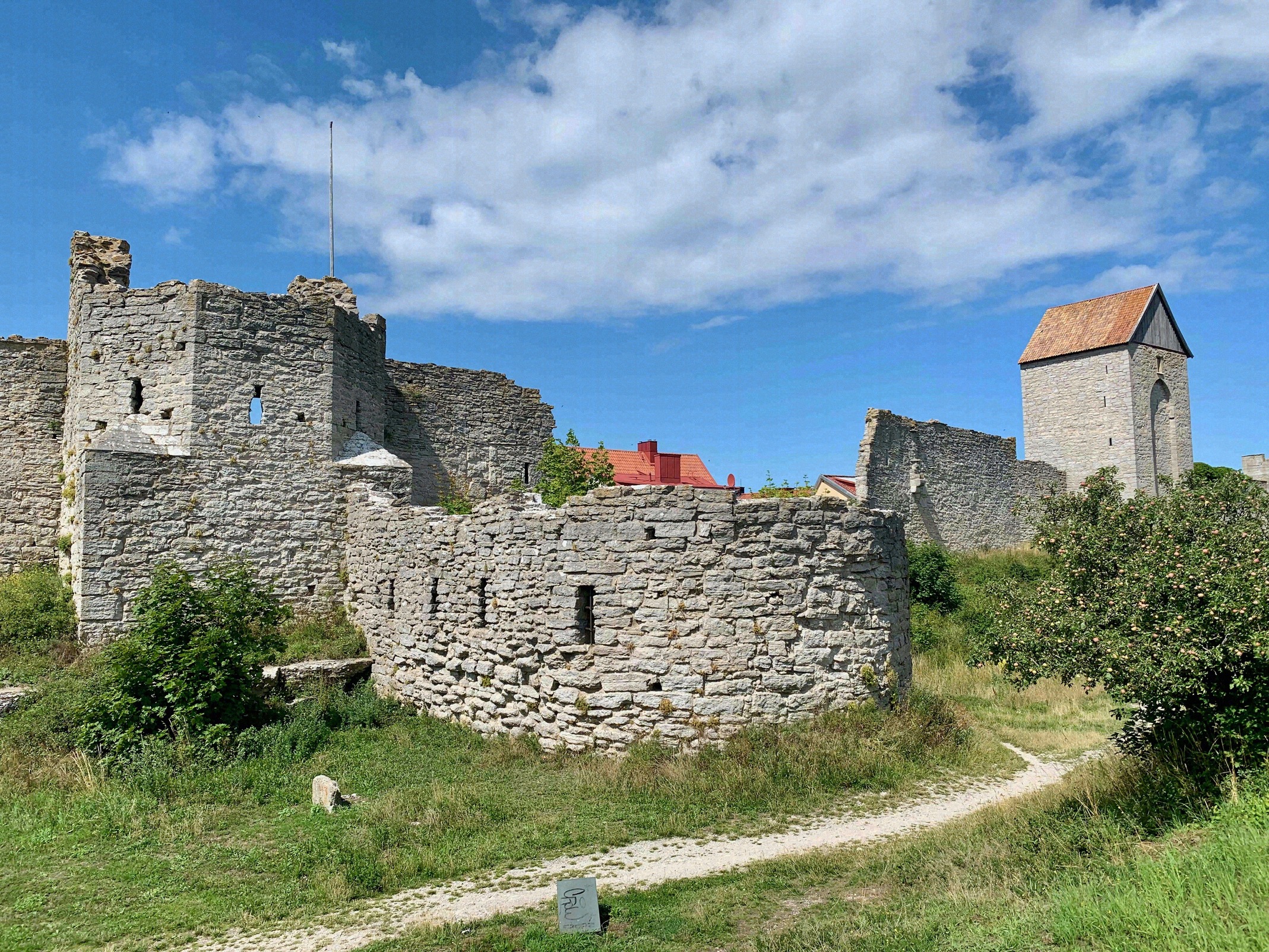
The Visby ring wall encloses almost the entire old town and is regarded as Northern Europe's best-preserved medieval town wall, part of the UNESCO World Heritage Site.
Contents
The Hanseatic town's landmark
The city wall (Visby ringmur) encloses the old town of Visby almost completely and is the town's landmark. At around 3.5 kilometres long, up to 11 metres high, and studded with imposing towers, it's considered the best-preserved medieval town wall in all of Northern Europe, and a key reason why the Hanseatic town of Visby has been a UNESCO World Heritage Site since 1995.
Originally the wall carried 29 base towers and 22 saddle towers; 27 base towers survive today. Of the original roughly 3.6-kilometre length, about 3.44 kilometres still stand, a near-unbroken ring that gives Visby its distinctive medieval character.
History
The wall was built in several stages and completed in 1288, at the height of the Hanseatic League, when Visby was one of the Baltic's most important trading posts.
The oldest section is the Powder Tower (Kruttornet) at the harbour entrance, a massive defensive tower from the 12th century. It's considered the oldest surviving secular building in the Nordic countries. It only got its current name in the 18th century, when the Swedish state stored gunpowder there.
Notably, parts of the landward wall were also fortified facing the town itself. That reflects tensions between Visby's merchants and the Gotland Thing, the rural population, which erupted into civil war in 1288. The wall, in other words, protected the town not just from outside threats but from its own hinterland too.
What to expect
The most impressive way to see it is a walk along the outside of the wall. This lets you take in its full scale, and several stretches offer rewarding views:
- Powder Tower (Kruttornet): the oldest tower, by the harbour, a good starting point for the walk.
- Wall-walk (Väktargången): a reconstructed section where you can climb a tower during the summer season, with a lovely view over the old town's rooftops.
- DBW Botanical Garden: sits right against the wall on the north-eastern side, open year-round and free to enter, a peaceful stop along the way.
From inside, too, wandering the old town's lanes, towers and gates are a constant presence. Allow about 45 to 60 minutes for a full walk around the outside of the wall.
Visiting & practicalities
- Access: The wall is freely accessible year-round, the public paths outside and inside are open around the clock, with no gates or admission fee.
- Wall-walk & towers: The reconstructed wall-walk and individual towers are only open during the summer season. Official hours and prices are not published - check with the tourist information office in the Donnerska huset, Donners plats 1 (by Almedalen park), tel. 0498-20 17 00.
- Combine with: The walk makes an ideal first impression of Visby and pairs well with St Mary's Cathedral and the Gotland Museum. For an overview of the town, see the Visby guide, and for more of the island's sights, the attractions overview.
Frequently asked questions
How much does it cost to visit the city wall? +
Can you climb up onto the city wall? +
How long does it take to walk around the wall? +
How old is the Visby city wall? +
Nearby
Visby Cathedral
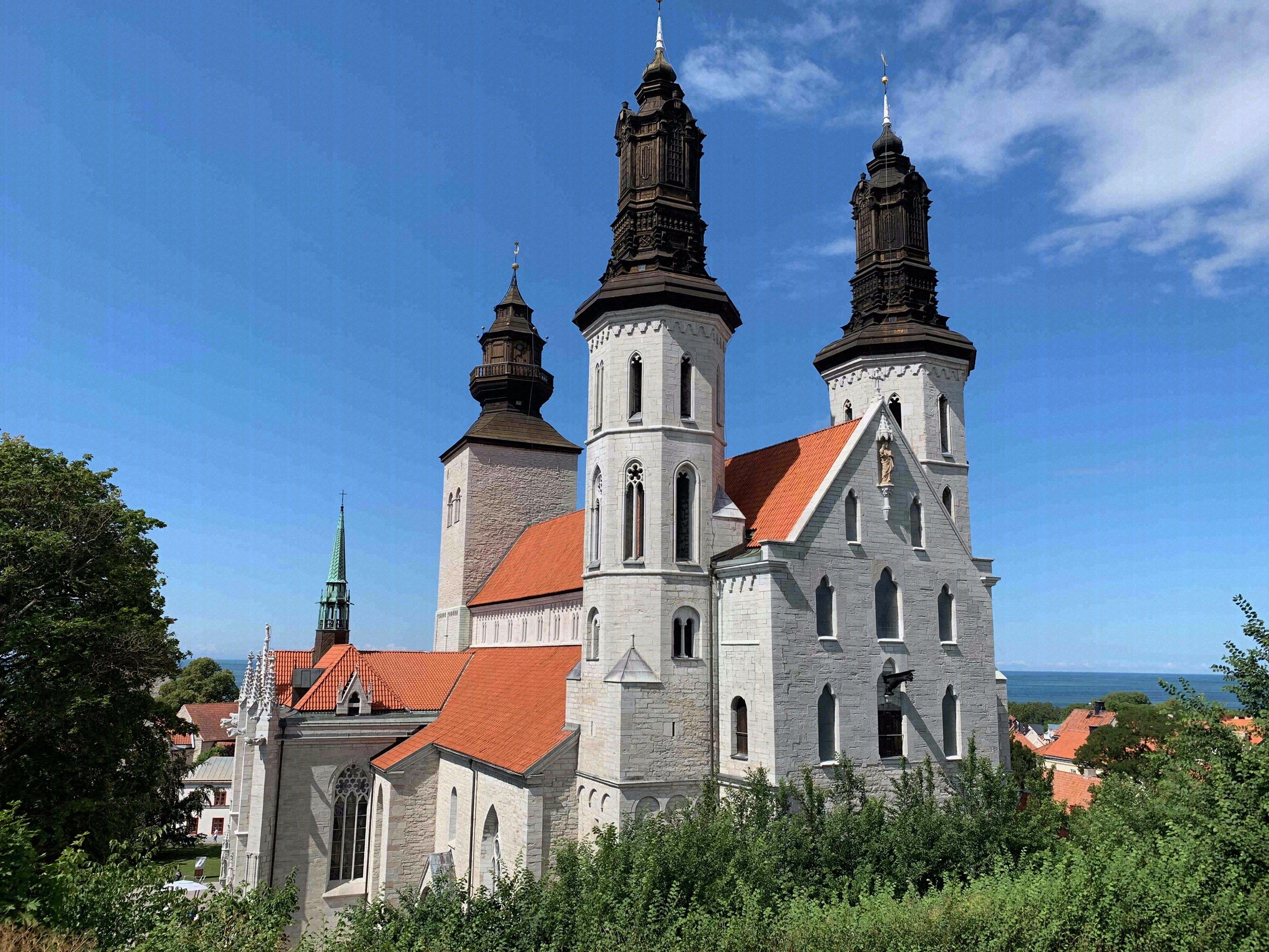
Visby Cathedral (Sankta Maria) is the only medieval church in Visby still in use, seat of Gotland's bishop, once the church of the German Hanseatic merchants.
Gotlands Museum
Gotlands Museum (Fornsalen) in Visby displays Gotland's picture stones, the Viking silver hoard from Spillings and the island's history from the Stone Age to the Hanseatic era.
Kneippbyn
The amusement and water park south of Visby is home to Villa Villekulla, the original film house from the Pippi Longstocking movies.
Lummelunda Cave
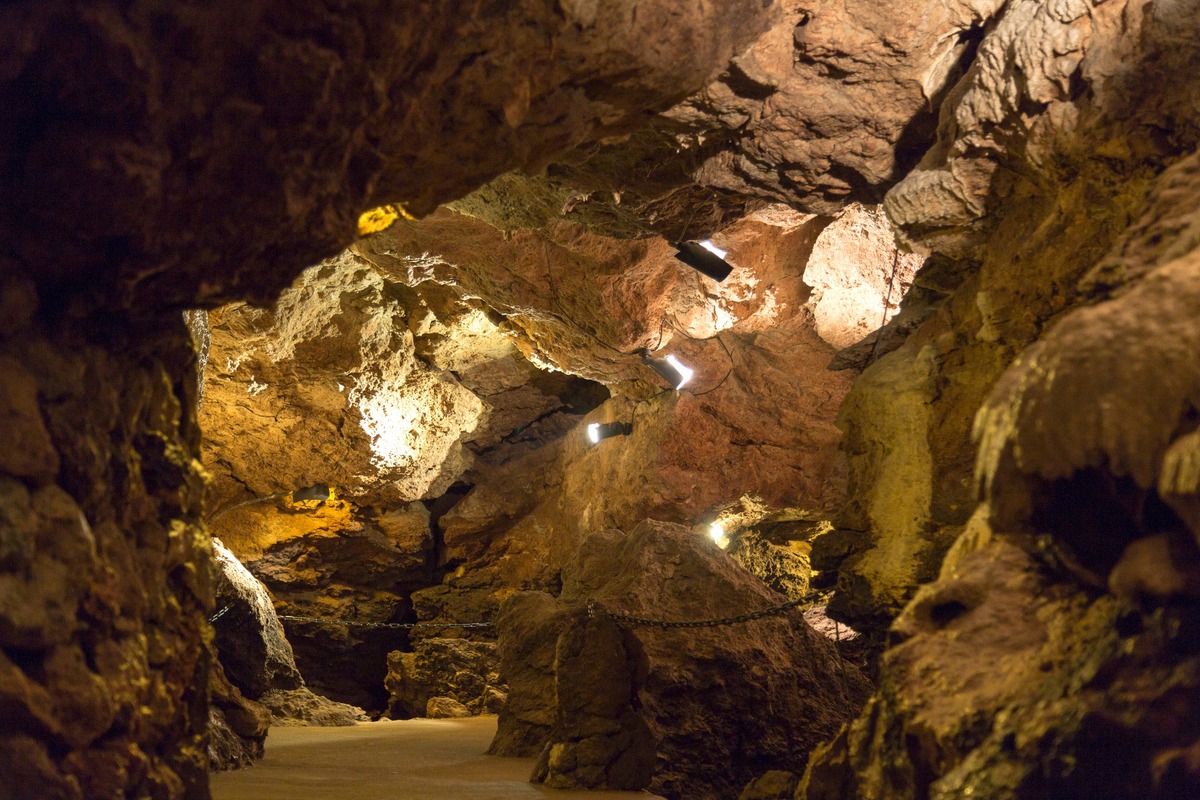
Lummelundagrottan, about 13 km north of Visby, is one of Sweden's best-known limestone caves, cool year-round, with stalactites and underground streams.
Roma Abbey Ruins
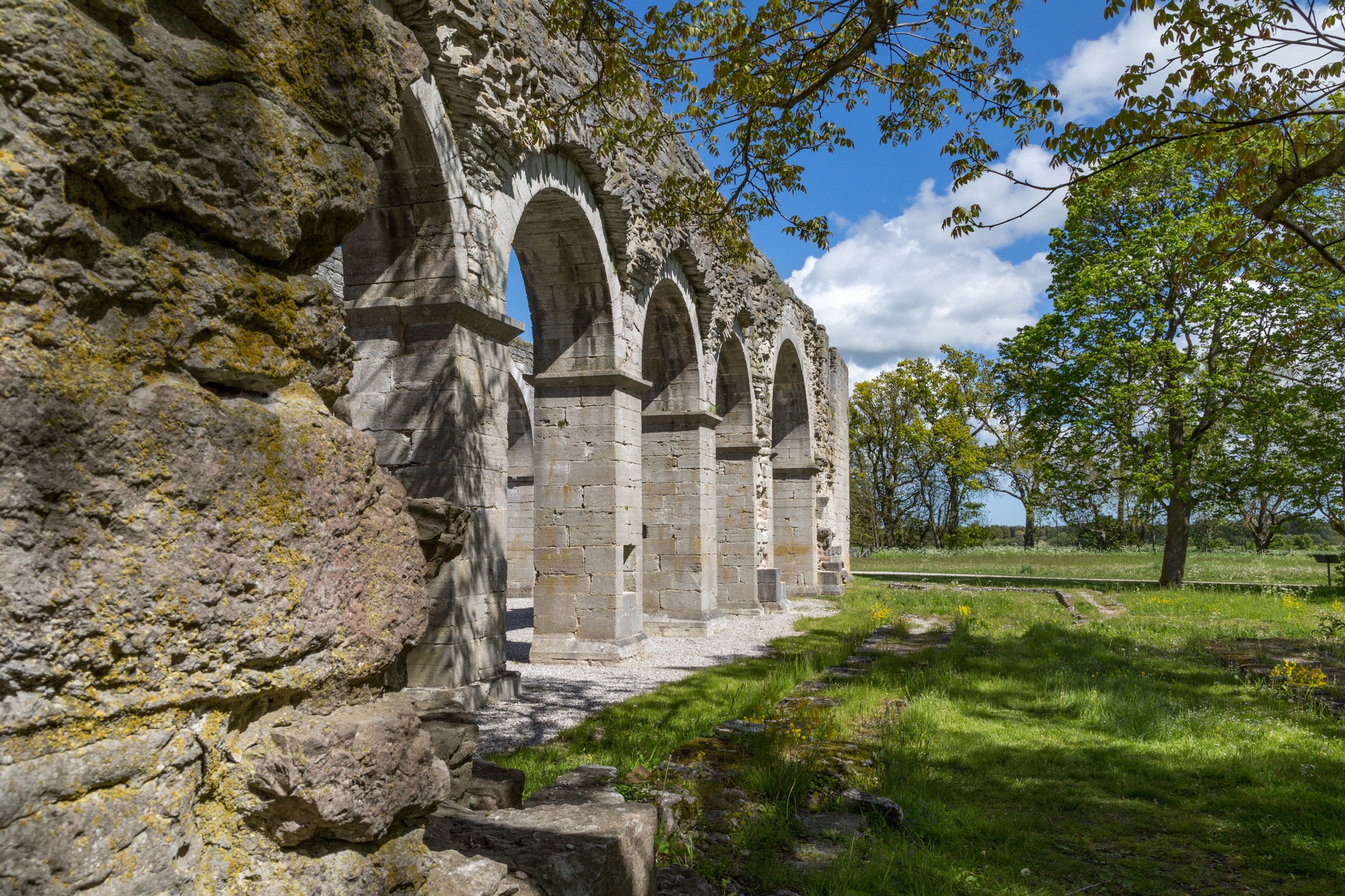
Roma Abbey, the Cistercian monastery founded in 1164 in the geographic centre of Gotland, is now a freely accessible ruin with parkland and a café.
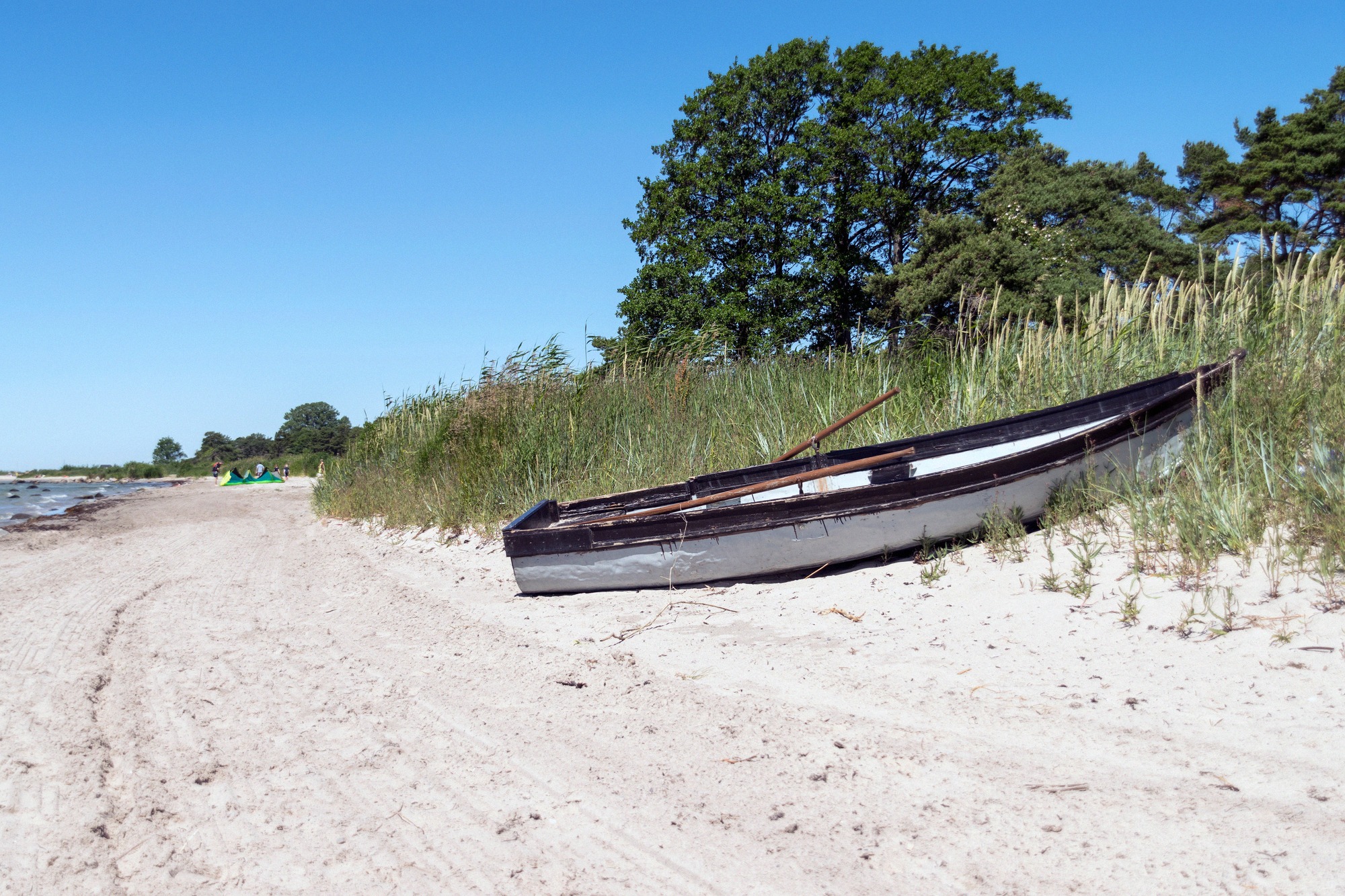
Tofta Beach
Tofta south of Visby is Gotland's most popular sandy beach, around 2 km of shallow-shelving shore with EU bathing water quality, beach bars, a pool and equipment hire.