
Gotlands Museum
Island museum with picture stones & Viking treasure
Gotlands Museum (Fornsalen) in Visby displays Gotland's picture stones, the Viking silver hoard from Spillings and the island's history from the Stone Age to the Hanseatic era.
Contents
Gotland's history under one roof
Gotlands Museum, known on the island as Fornsalen, on Strandgatan is Gotland's most important museum and a good first stop for getting your bearings on the island. Across three floors that wind U-shaped through the building, it spans the arc from 430-million-year-old fossils through the Stone and Viking Ages to the flowering of the Hanseatic town of Visby. Understanding Visby and its surroundings makes a tour of the island far more rewarding, and on a rainy day, the museum is one of the most obvious places to head for in the old town.
The Spillings Hoard and the picture stones
The standout piece is the Spillings Hoard (Spillingsskatten): the largest Viking-age silver hoard in the world, discovered on Gotland in 1999. Roughly 67 kilograms of silver and around 14,000 coins, mostly of Oriental origin, are striking evidence of how closely the island was tied into the Baltic's long-distance trade networks.
The second showpiece is the picture stone hall: Gotland's Iron Age picture stones, with their enigmatic imagery, are hard to find anywhere else, and the museum holds the country's largest collection. Alongside these:
- finds and graves from the Stone, Bronze and Iron Ages
- medieval church art and objects from Visby's Hanseatic era
- fossilised reefs and fossils from the tropical primordial sea in which Gotland once lay
For families there's the hands-on exhibition Skepp & skoj, which introduces children to the world of the Vikings through play, handy if you're travelling with kids.
Tours, café and shop
Beyond the exhibitions themselves, the museum offers museum tours, city walks (Stadsvandring) through Visby, talks, and programmes for groups and school classes, all most extensive in summer. The building also houses Café Amalia (daily 9:00 to 17:00 in summer, kitchen until 16:00) and a museum shop with Gotland design and books on the island's history. For more places to take a break in the old town, see the food and drink guide.
Visiting & practical info
- Opening hours: May to September daily 9:00 to 17:00, October to April daily 11:00 to 16:00; Midsummer's Eve 9:00 to 15:00. Closed on Christmas Eve, Christmas Day, New Year's Eve and New Year's Day.
- Admission: Adults 190 SEK (summer) or 140 SEK (winter), students 150 or 110 SEK. Under-19s, members and accompanying carers go free. From October to April, the first Thursday of the month is free from 16:00 to 20:00.
- Tickets: at the ticket desk, or in advance online via the official ticketing service linked on the museum's website. Queues are rare outside the busiest peak summer days.
- Duration: 1.5 to 2 hours is realistic for the three floors.
- Accessibility: Except for one lower basement room, all areas are reachable via ramps and two lifts, and the main entrance opens automatically. Accessible toilets with a baby-changing table are at the entrance and on the 2nd floor, plus three free disabled parking spaces 100 to 220 metres away. The Sävesalen lecture hall has an induction hearing loop, and portable speaker systems are available for guided tours.
- Location: Strandgatan 14, in the heart of the old town, a few steps from the harbour and the cathedral. Easy to combine with a stroll along the city wall, more sights in town are listed in the attractions overview.
Frequently asked questions
When is Gotlands Museum open? +
How much does admission cost? +
Is there free admission? +
What is the top highlight? +
How much time should you allow? +
Is the museum accessible? +
Nearby
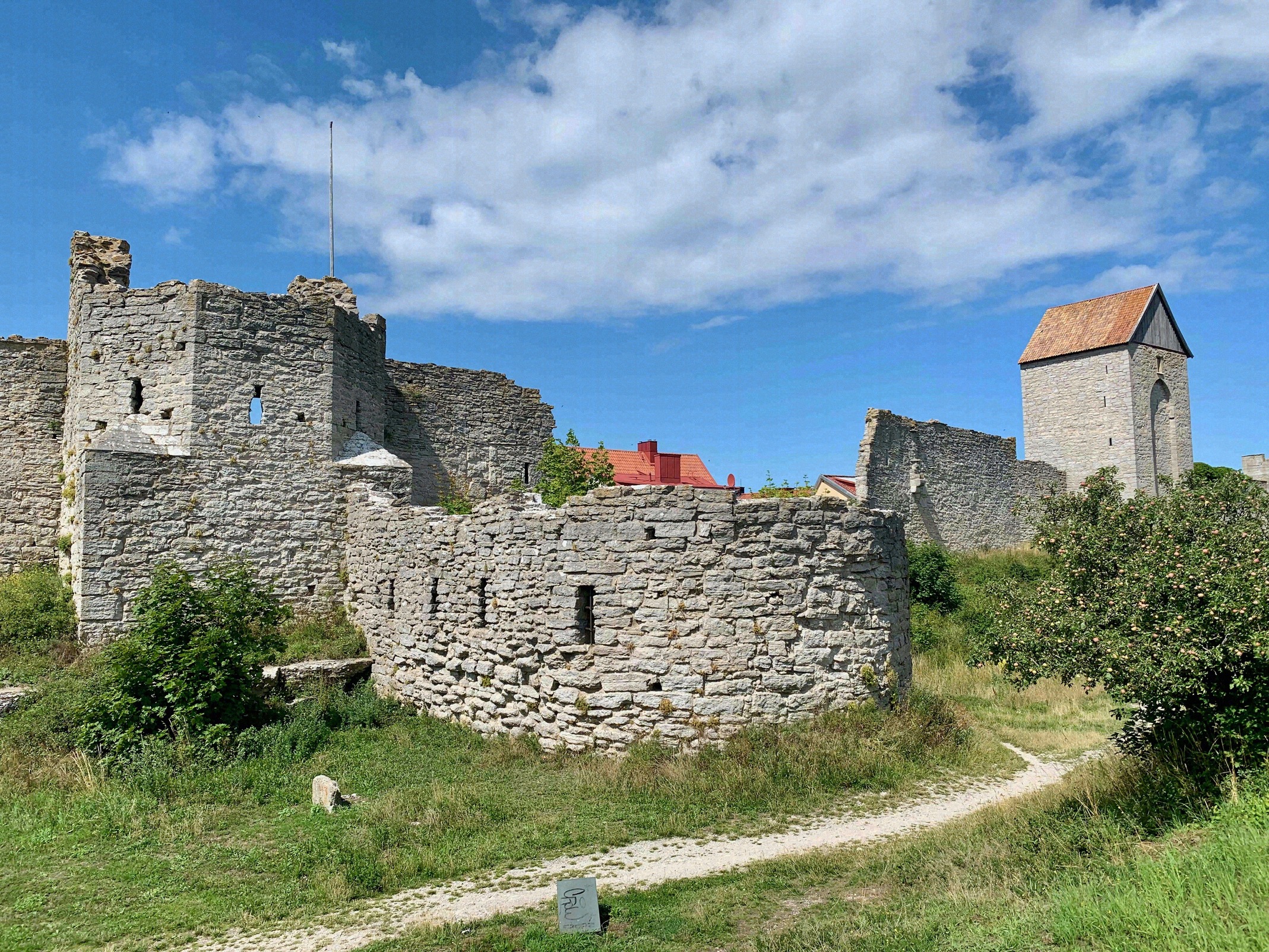
Visby City Wall
The Visby ring wall encloses almost the entire old town and is regarded as Northern Europe's best-preserved medieval town wall, part of the UNESCO World Heritage Site.
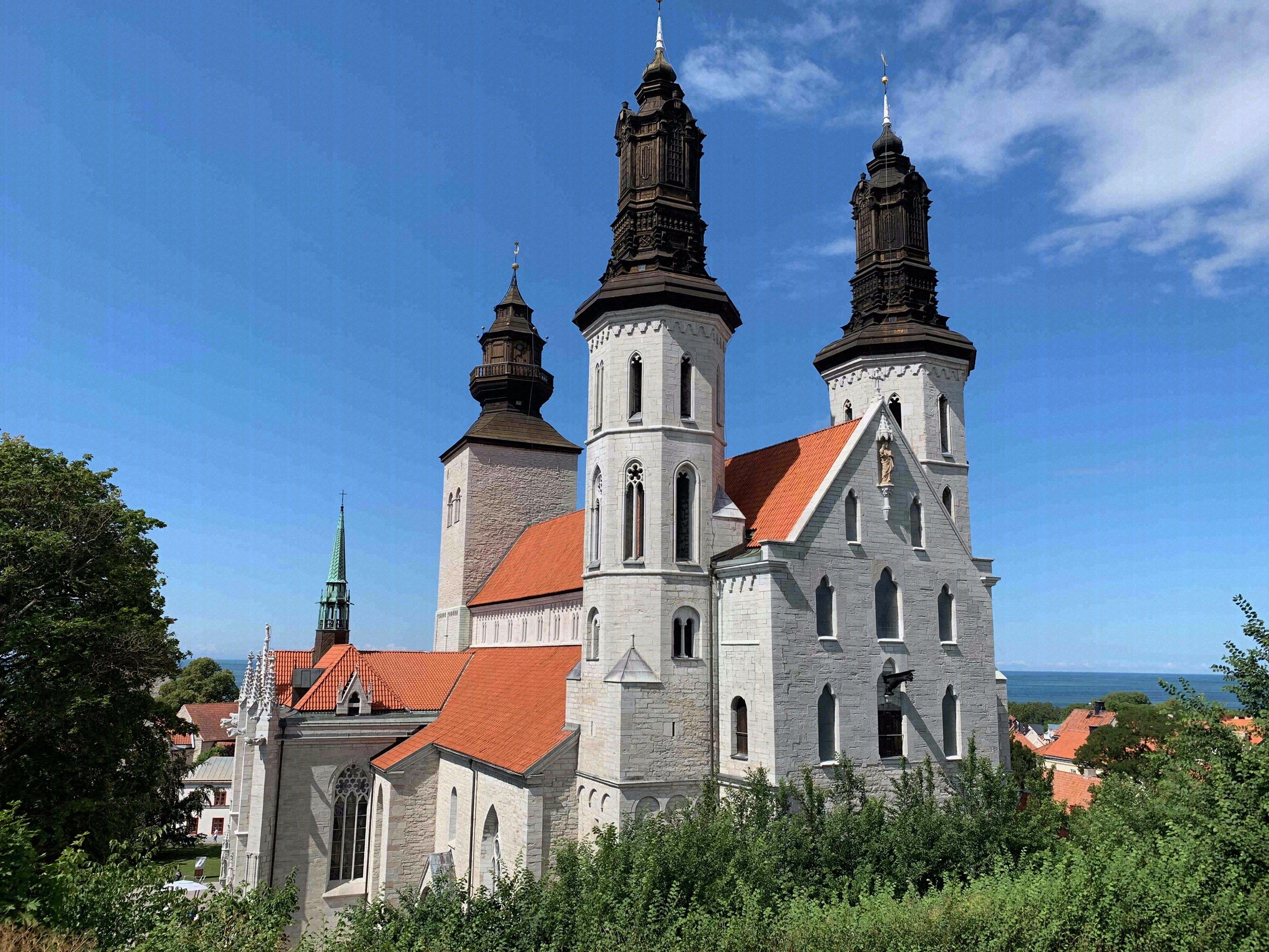
Visby Cathedral
Visby Cathedral (Sankta Maria) is the only medieval church in Visby still in use, seat of Gotland's bishop, once the church of the German Hanseatic merchants.
Kneippbyn
The amusement and water park south of Visby is home to Villa Villekulla, the original film house from the Pippi Longstocking movies.
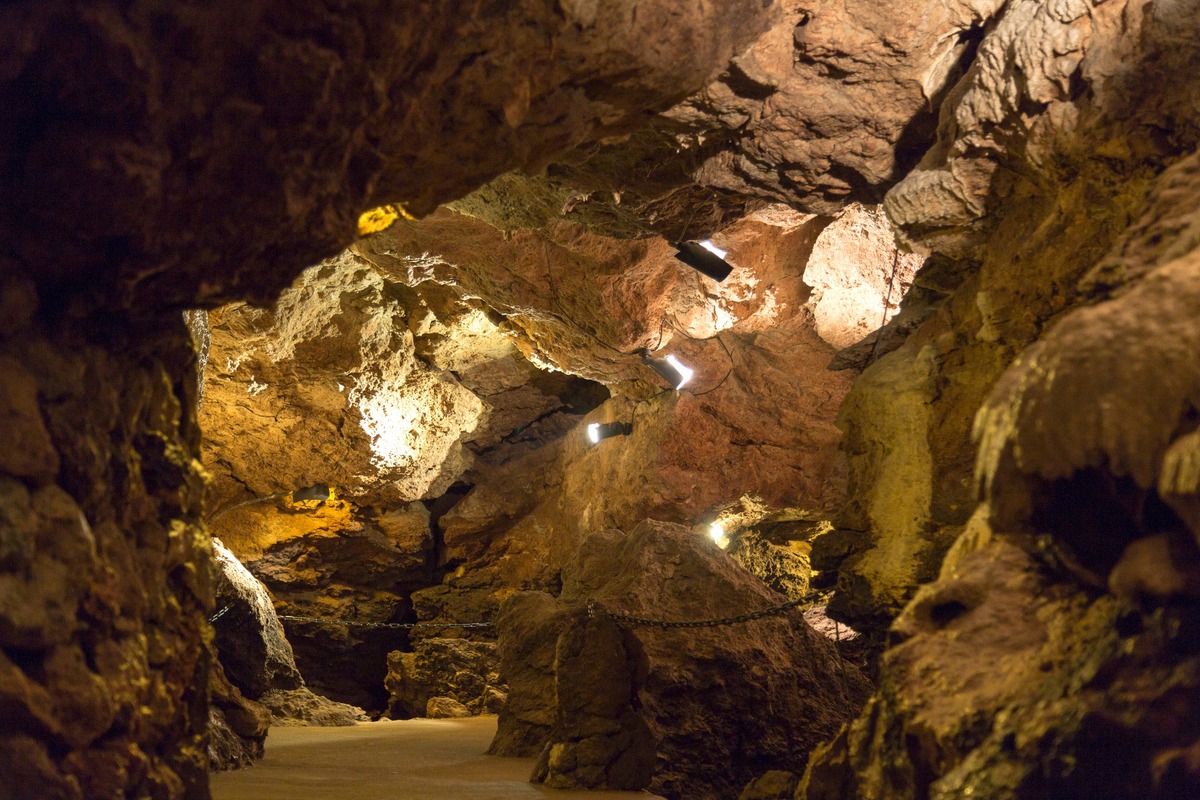
Lummelunda Cave
Lummelundagrottan, about 13 km north of Visby, is one of Sweden's best-known limestone caves, cool year-round, with stalactites and underground streams.
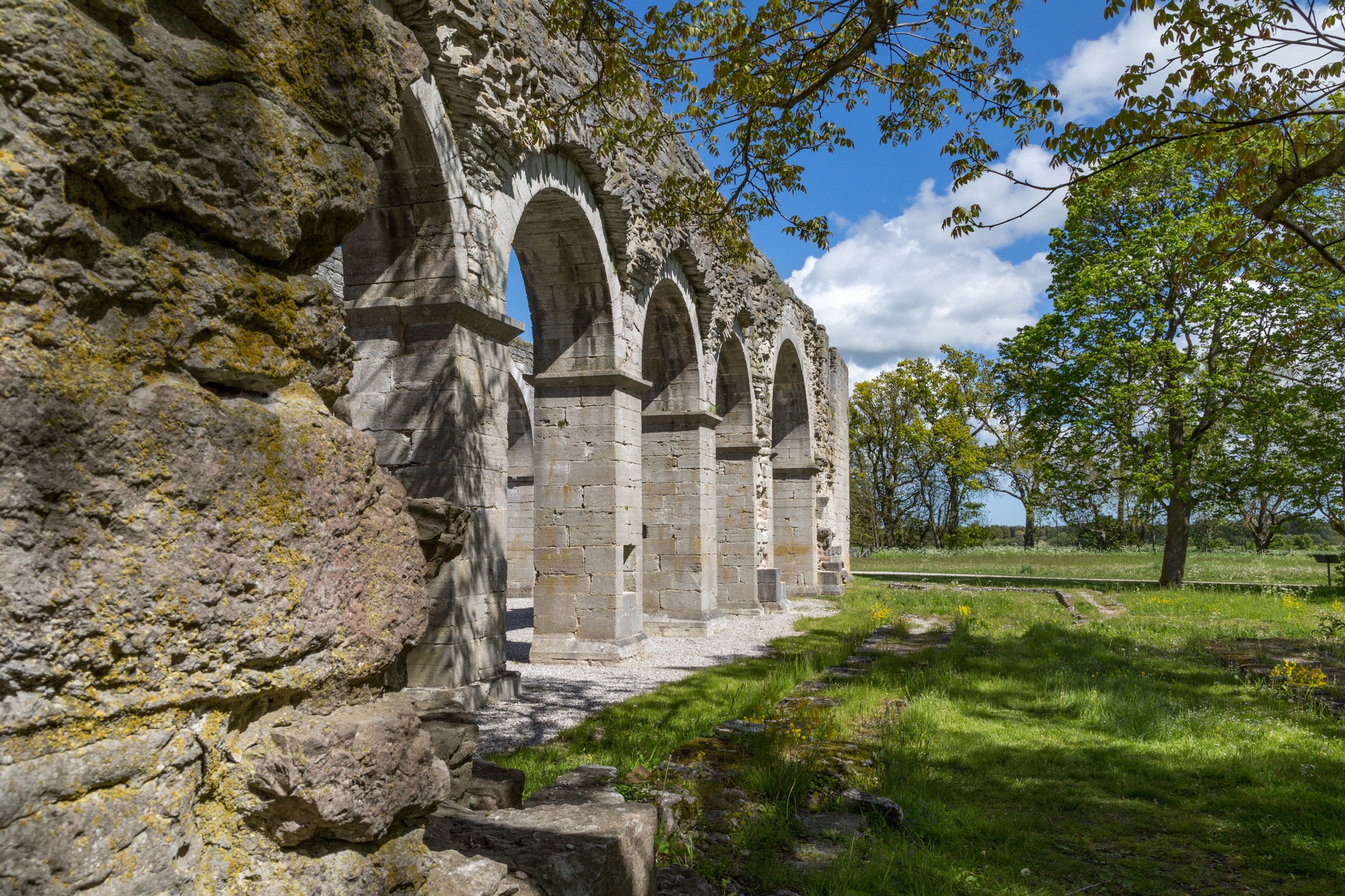
Roma Abbey Ruins
Roma Abbey, the Cistercian monastery founded in 1164 in the geographic centre of Gotland, is now a freely accessible ruin with parkland and a café.
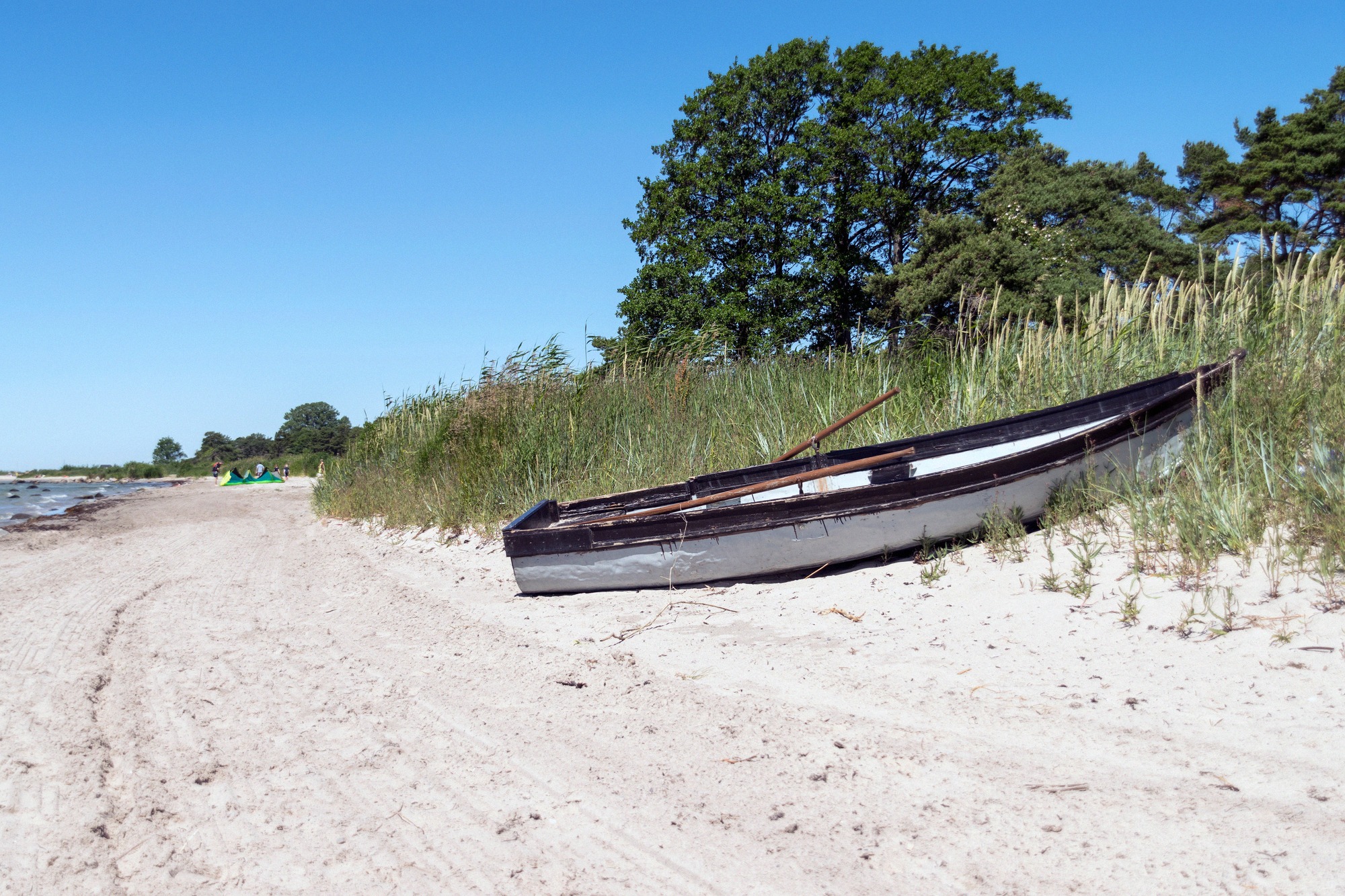
Tofta Beach
Tofta south of Visby is Gotland's most popular sandy beach, around 2 km of shallow-shelving shore with EU bathing water quality, beach bars, a pool and equipment hire.