
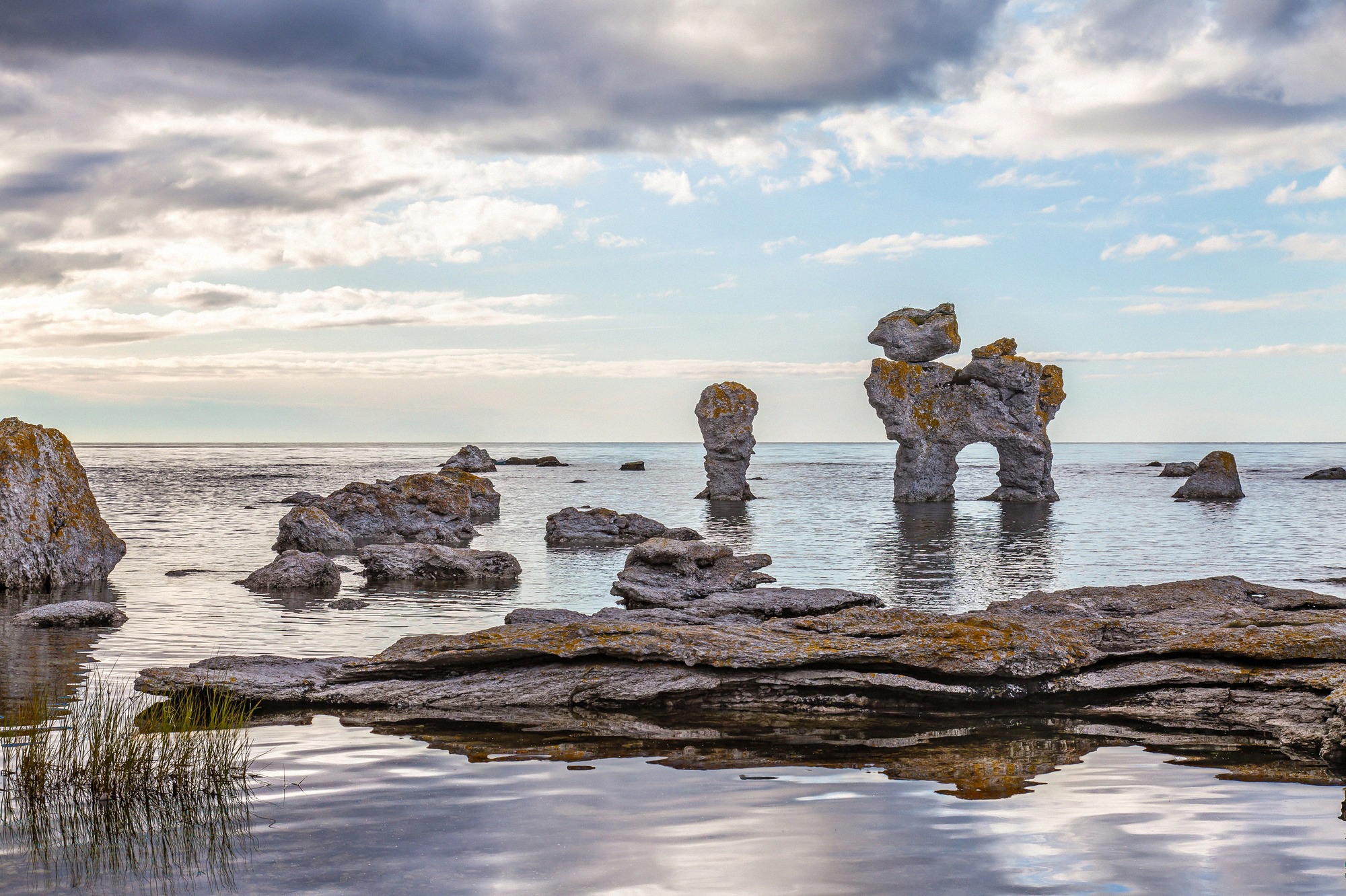
Digerhuvud
Sweden's largest raukar field, on Fårö
Overview
Gotland's attractions by region and time needed: Visby, Fårö, raukar, cave, churches and beaches, with a map and suggestions for day routes.
Sweden's largest raukar field, on Fårö
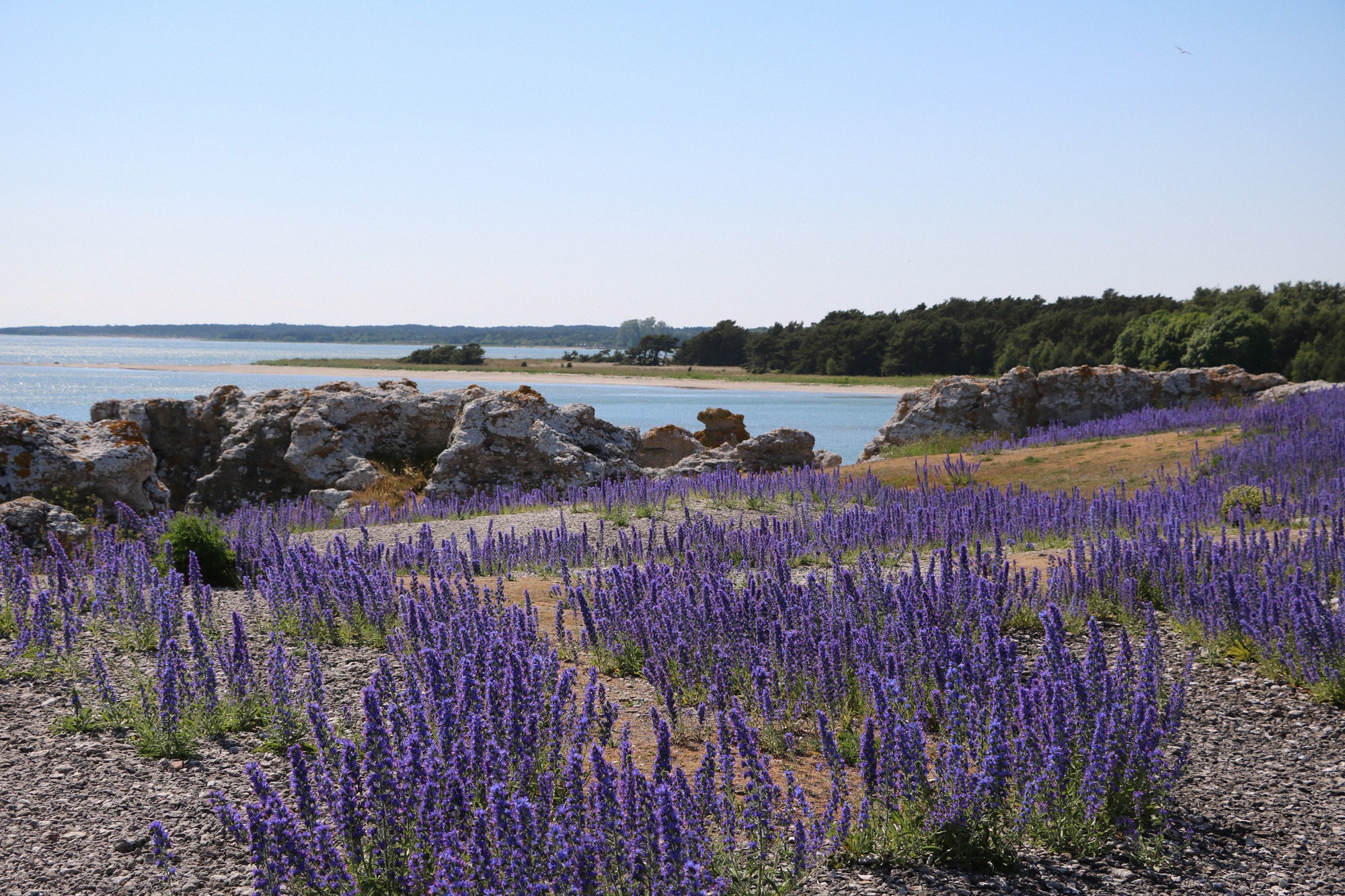
Raukar reserve on Gotland's east coast
Island museum with picture stones & Viking treasure
Amusement park with the original Villa Villekulla
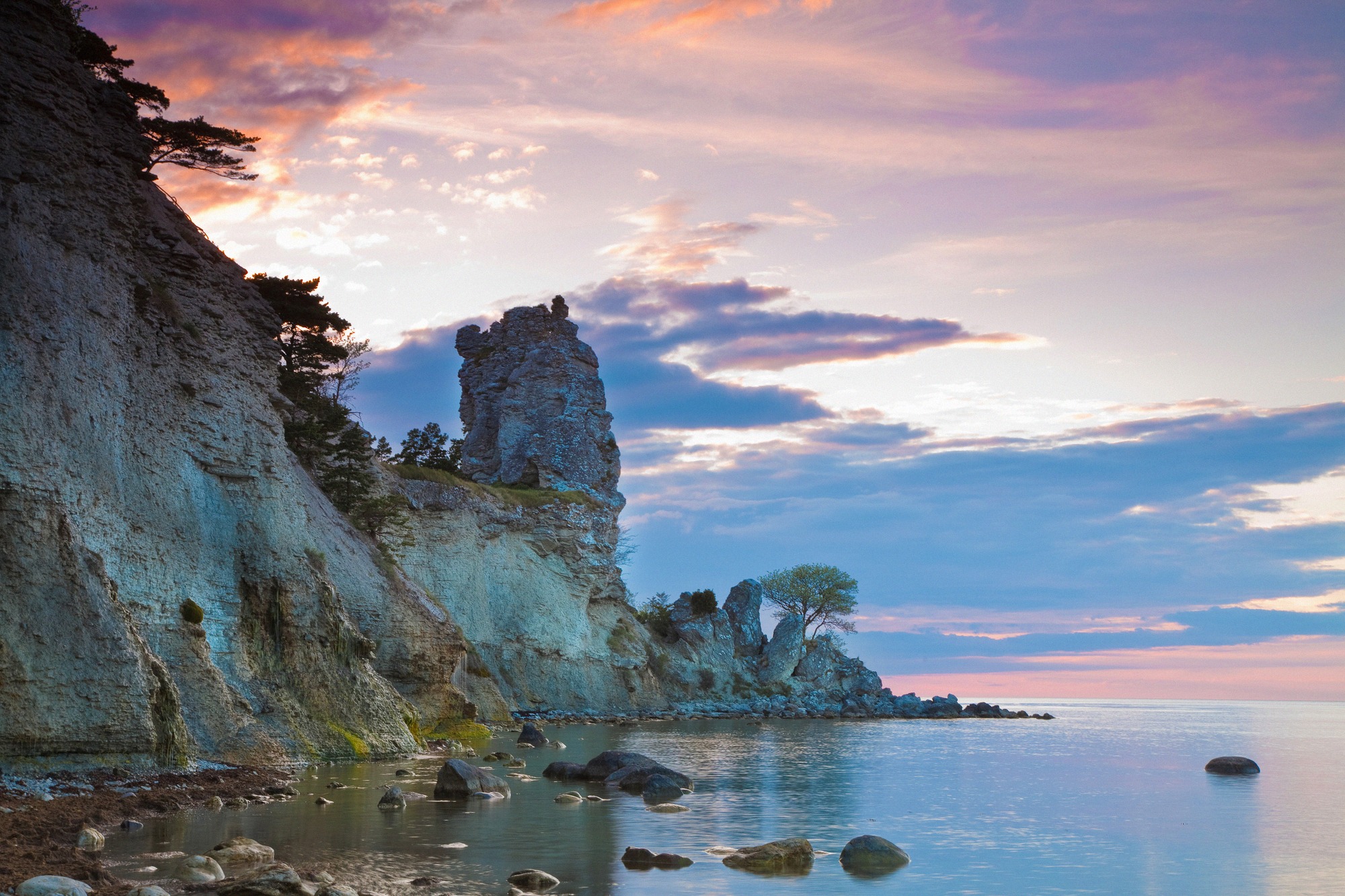
Gotland's most famous raukar field, on Fårö
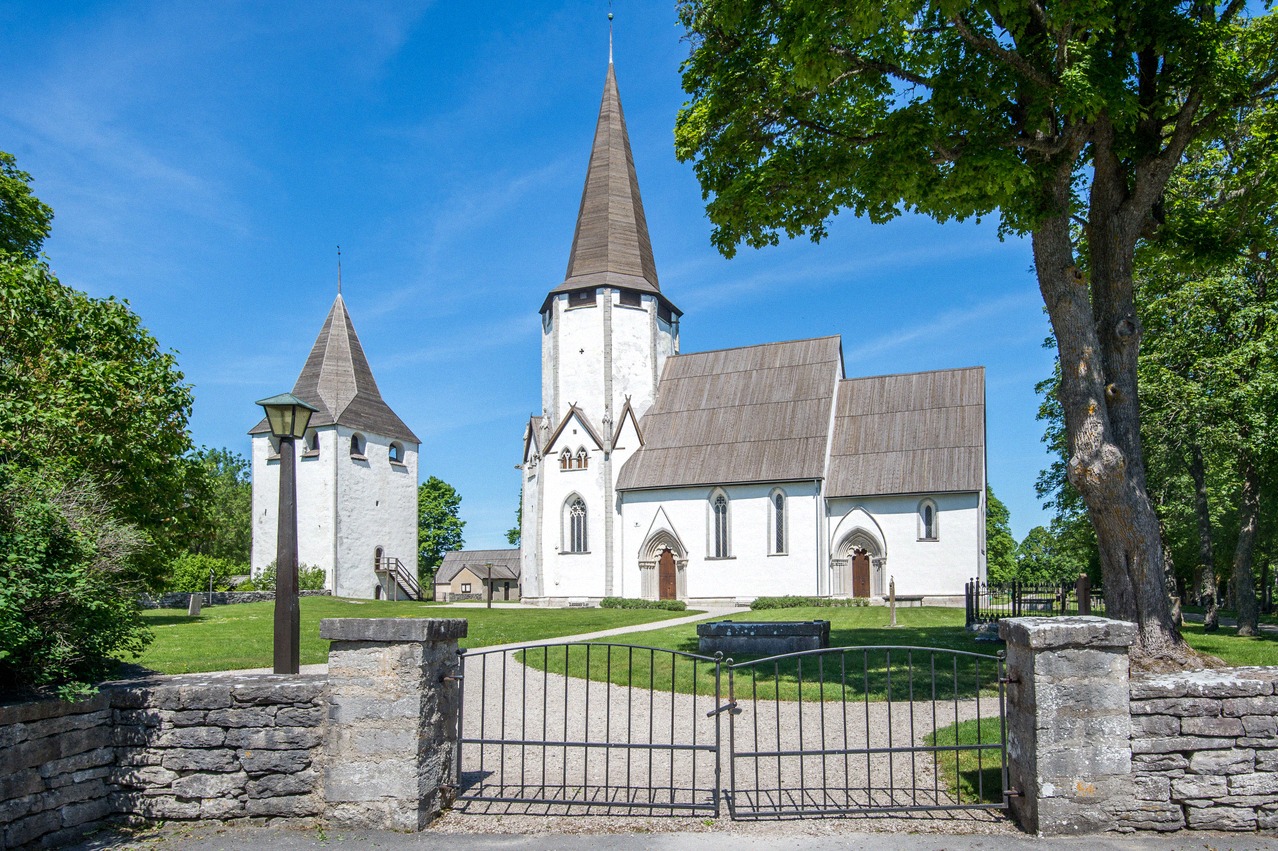
Rural church with a rare octagonal tower
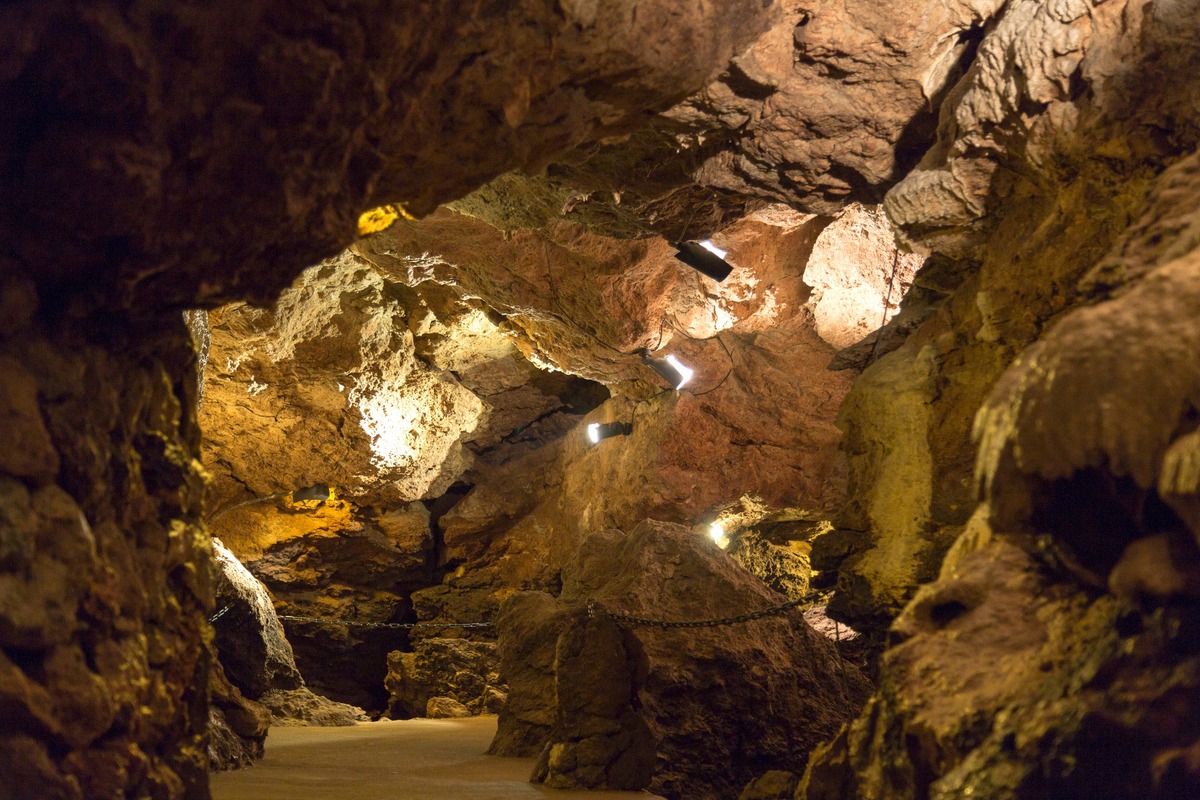
Limestone cave with stalactites north of Visby
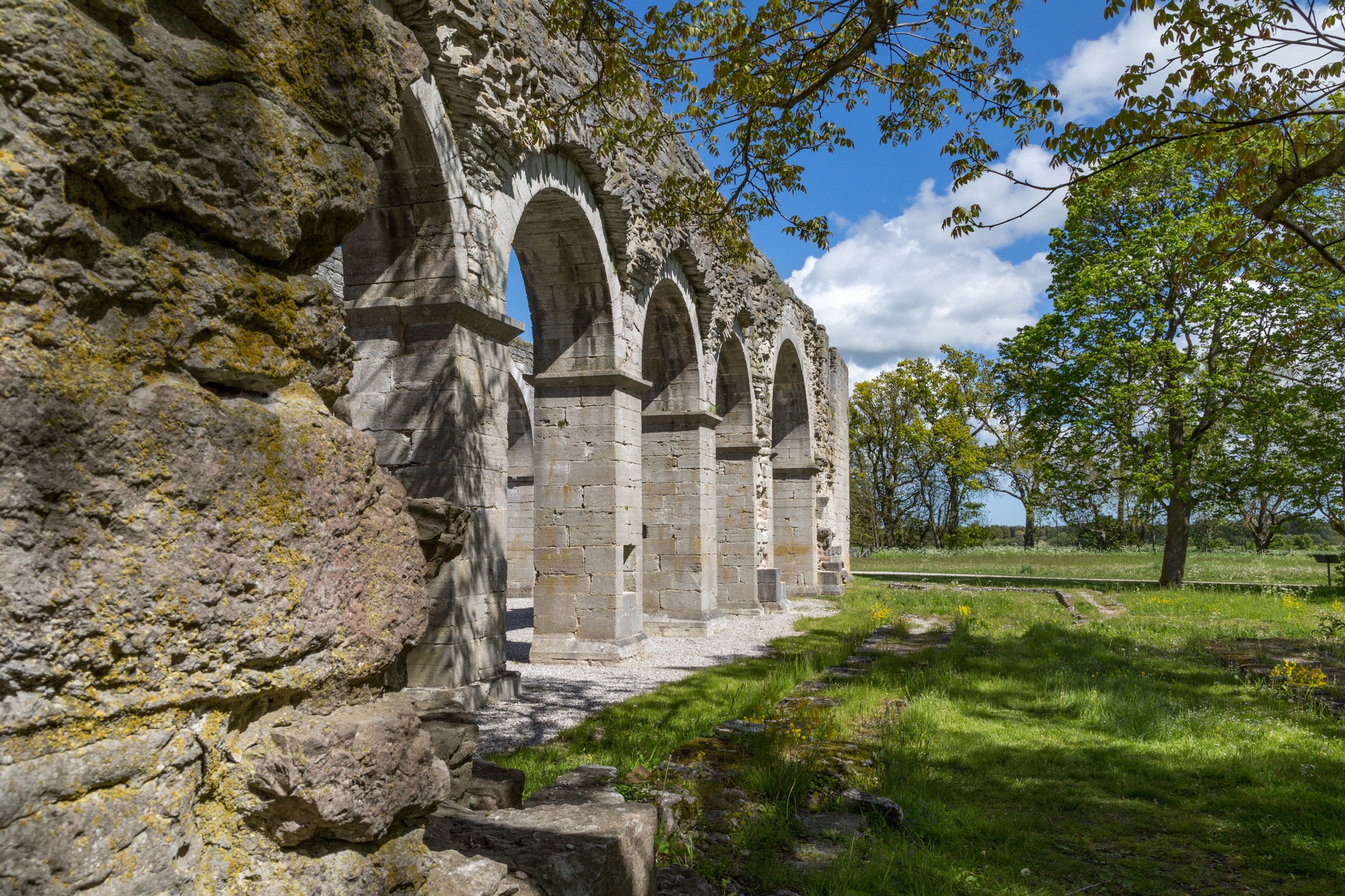
Cistercian abbey ruins in the geographic centre of Gotland
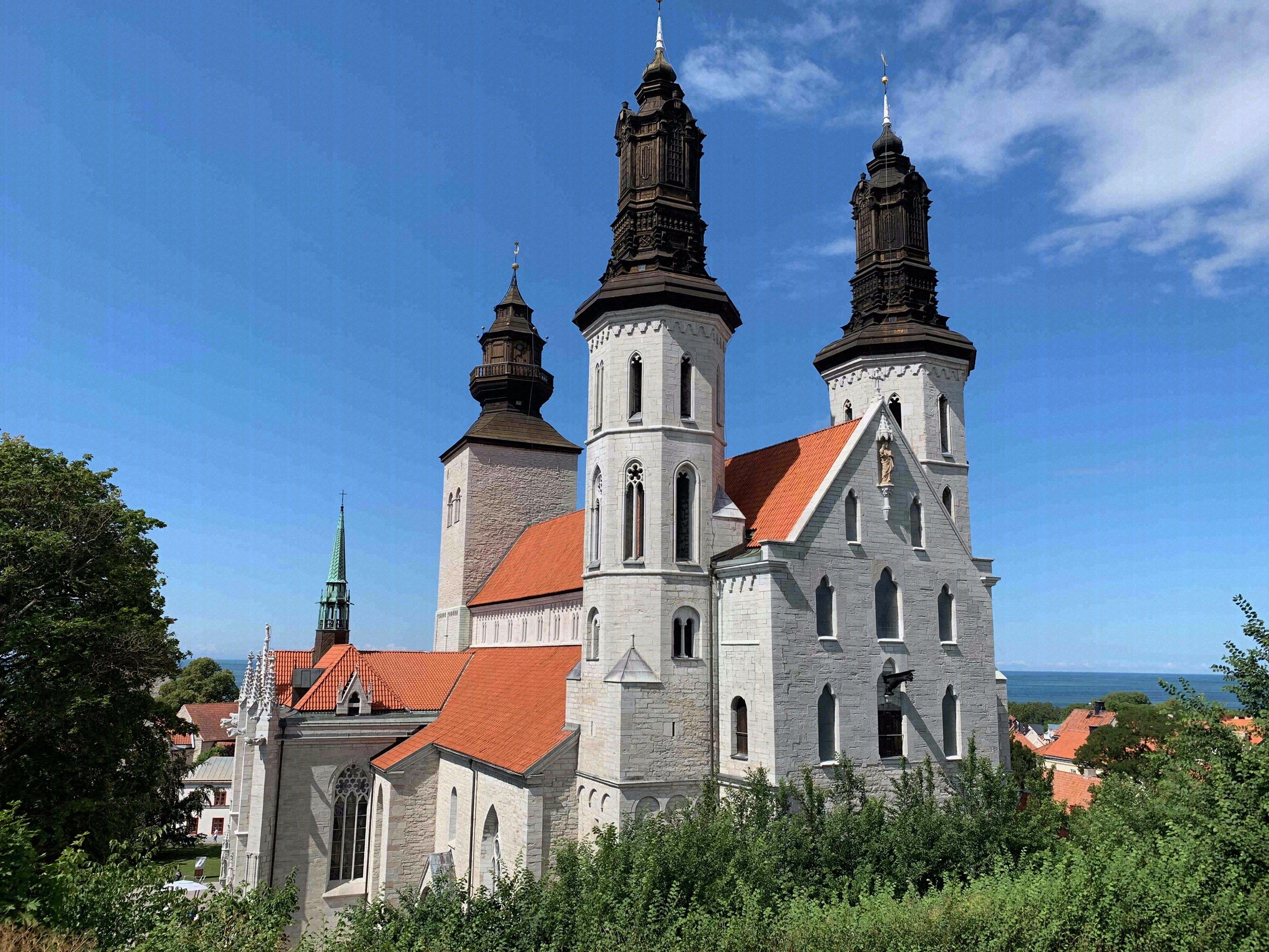
Gotland's medieval cathedral church
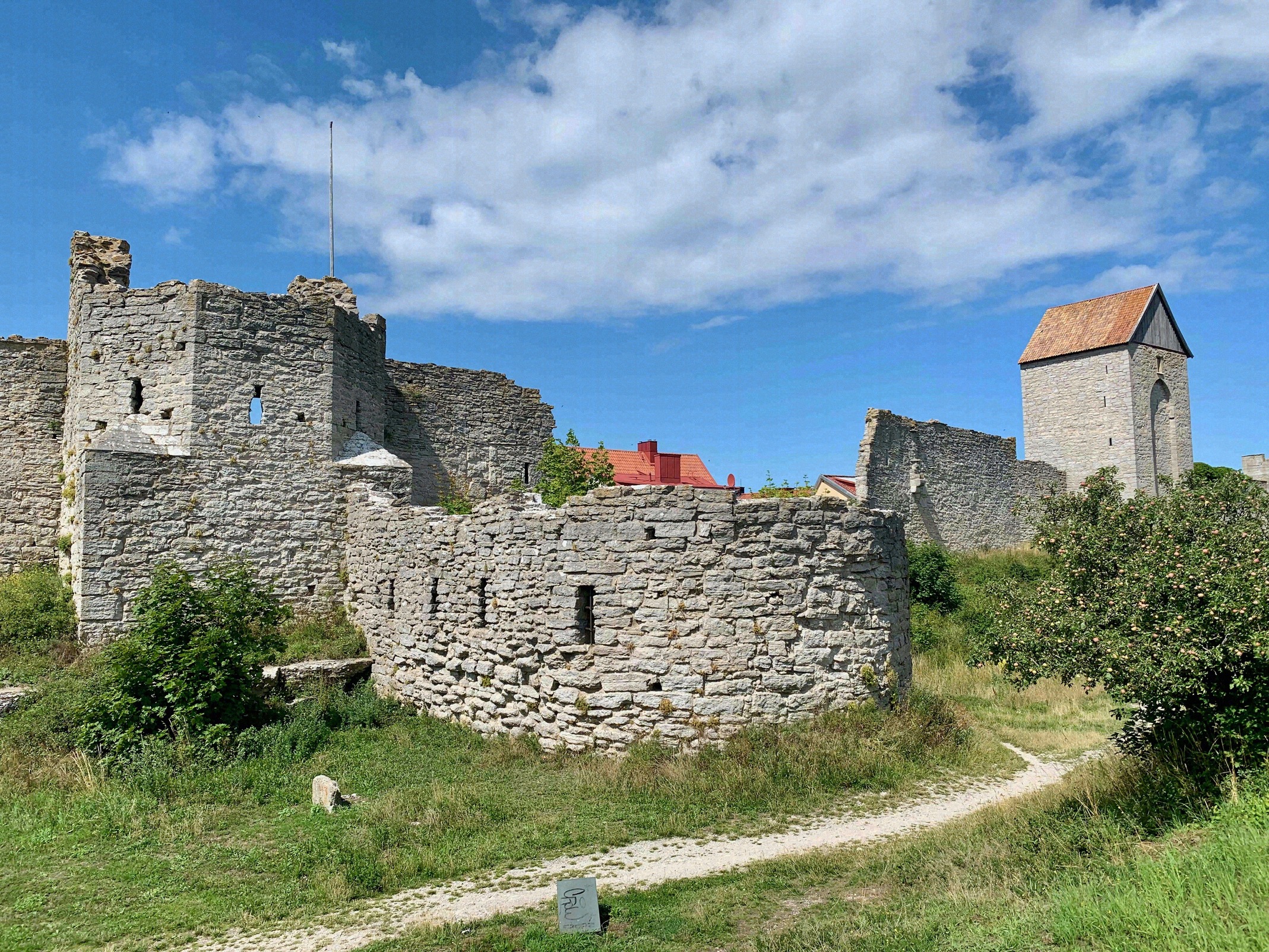
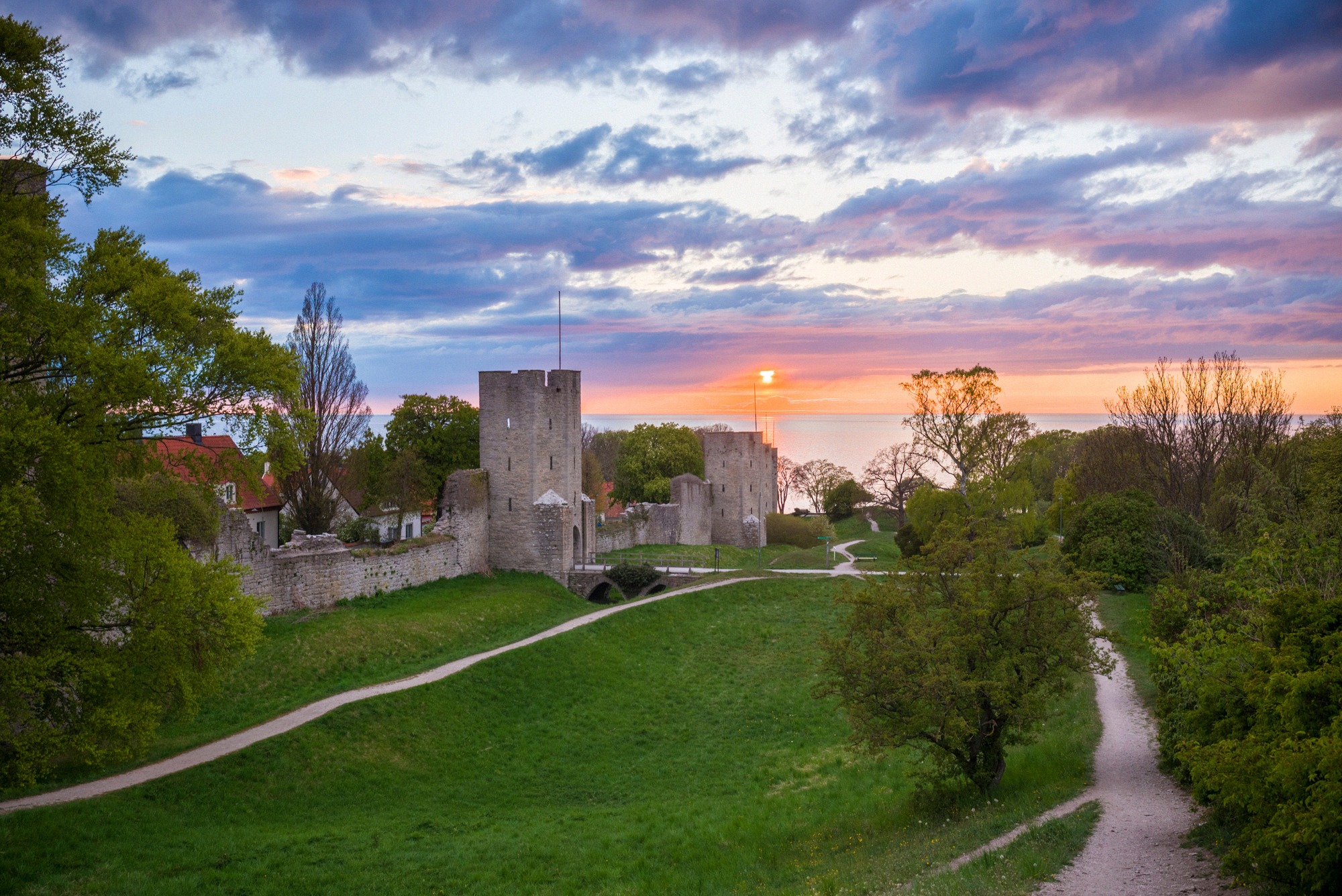
Northern Europe's best-preserved medieval town wall
No results found.
Gotland doesn't work well as one long must-see list. The island is large enough that the region you choose decides how good your day turns out: Visby in the west, Fårö and the raukar in the north, the cave and coastal villages in the northwest, and beaches and villages in the south and east. So pick an area first, then add two or three destinations within it.
| Region | Good first stops | Allow |
|---|---|---|
| Visby | City wall, Cathedral, Gotlands Museum | half a day to a full day |
| Northwest coast | Lummelunda Cave, the coast near Lickershamn | half a day |
| Fårö and the north | Digerhuvud, Langhammars, Sudersand | a full day |
| East coast | Folhammar, Ljugarn and the coastal roads | half a day to a full day |
| South of Visby | Tofta, Kneippbyn, coastal stops | half a day to a full day |
| Centre of the island | Roma Abbey and medieval rural churches | two to four hours |
Open the interactive map of Gotland alongside your planning. It shows places, beaches and attractions together, so you avoid unnecessary drives back and forth across the island.
Start at the city wall, walk through the old town to Visby Cathedral, then on via Stora Torget to the church ruins. With extra time, add Gotlands Museum. The distances are short - you won't need a car or bus for this route.
Head to Fårösund early, cross on the free ferry to Fårö, and combine Digerhuvud or Langhammars with a coastal stop and Sudersand. Fitting both large raukar fields into one day is possible but not essential. For a more detailed running order and tips on the crossing, see the Fårö guide.
Set aside the first day for Visby. On the second day, choose according to the weather: the north with the cave and a raukar field, the east coast around Ljugarn and Folhammar, or a beach day on the west coast. That keeps the trip varied without spending too much time in the car.
The Hanseatic town of Visby has been a UNESCO World Heritage Site since 1995. Its old town combines medieval merchant houses, church ruins and the almost completely preserved town wall. The city wall can be experienced from the outside at any time; access to individual towers or guided tours are seasonal extras.
The cathedral is the town's medieval church still in active use. Gotlands Museum then fills in the island's history, from picture stones and the Viking Age to the Hanseatic era. Check current opening hours and admission prices directly with the cathedral and museum.
Raukar are free-standing limestone stacks formed by erosion out of ancient reef rock. Particularly striking examples are Digerhuvud and Langhammars on Fårö, as well as Folhammar on the east coast. The nature reserves are freely accessible, but exposed to wind and weather, sturdy shoes and an extra layer are worth packing even in summer.
You reach Fårö by the ferry from Fårösund. It is part of the public road network and free of charge. Timetables and any traffic notices are published by Trafikverket.
Lummelunda Cave north of Visby makes a good weather-independent stop, but it's only accessible on a guided tour. Times and tour formats change with the season, so book directly with the operator in busy weeks.
Medieval stone churches are scattered right across Gotland. For a route of your own, pick two or three rather than trying to see as many as possible - for example Lärbro church in the north and the Roma Abbey ruin in the centre of the island. The churches guide helps with the choice.
Admission, opening hours and seasonal windows can change. The detail pages explain the visit itself, and the linked operator sites give the current state. For more ideas, see Activities, Beaches and the travel information guide.