
Digerhuvud
Sweden's largest raukar field, on Fårö
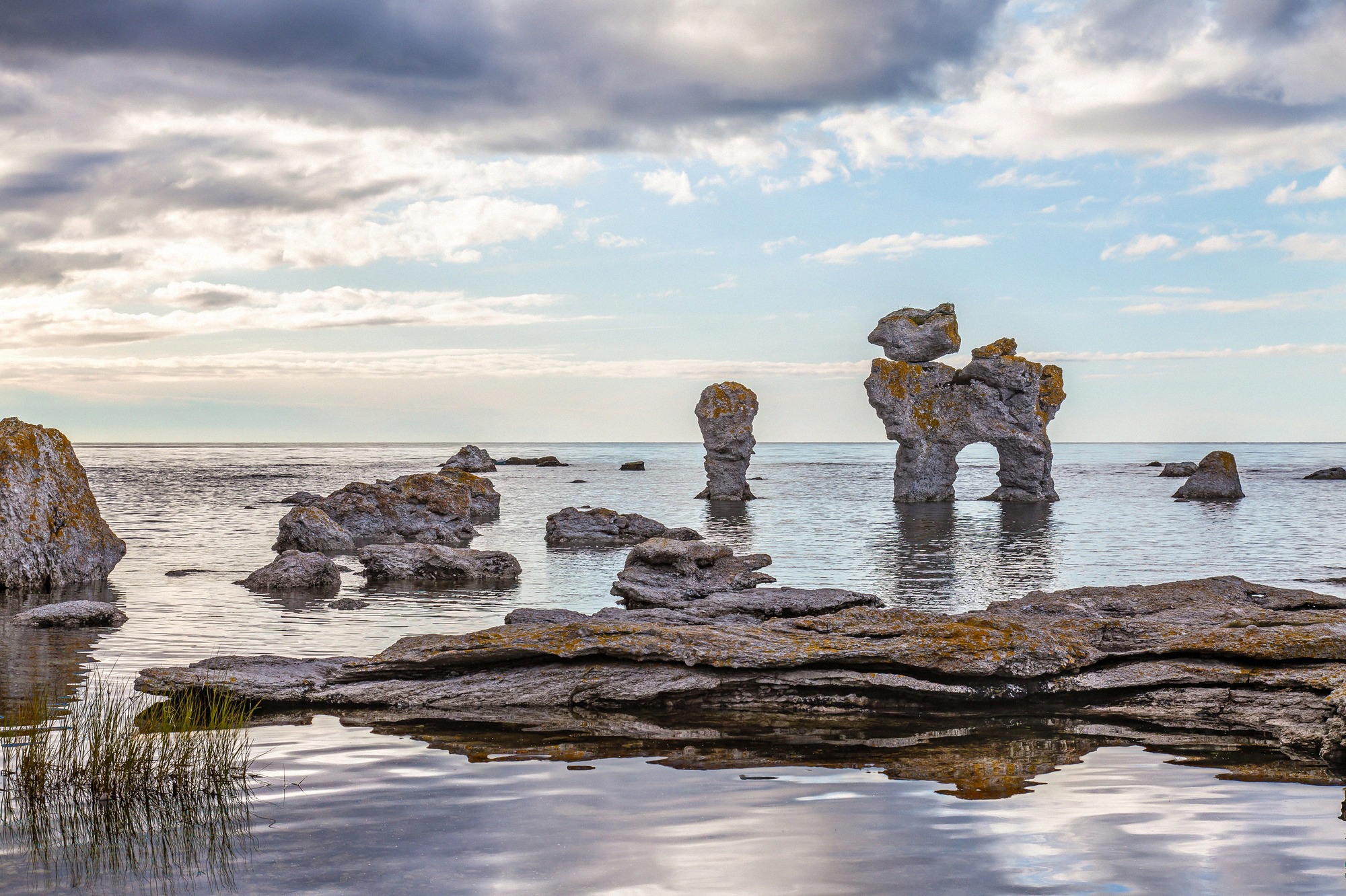
Digerhuvud on Fårö's west coast is Sweden's largest raukar field at about 3.5 kilometres, a long stretch of limestone stacks along the sea.
Contents
Sweden's largest raukar field
Digerhuvud, on the west coast of Fårö, is Sweden's largest raukar field. Over roughly 3,500 metres, a dense "sea of stone" made of limestone stacks lines the coast, from Lauterhorn (Släthällar) in the south to the small fishing hamlet of Helgumannen in the north. Several hundred stacks stand along the shore here, ranging in height from just under a metre to eight metres.
The nature reserve covers 113 hectares and has been protected since 1930, managed by the Länsstyrelsen i Gotlands län (Gotland county administrative board). That makes Digerhuvud one of the island's oldest protected areas, and by far the most extensive of Gotland's raukar fields.
Shaped by a prehistoric reef
The raukar at Digerhuvud are the remains of a prehistoric coral reef. Around 400 million years ago, in the Silurian period, Gotland lay on the seabed of a tropical primordial sea. Shells and skeletons of reef dwellers formed hard reef limestone, more resistant than the layered rock around it. As the waves wore away the softer surrounding rock over millennia, the hard limestone cores were left standing as pillars. Fossils can be spotted in many of them.
Behind the raukar field stretches a stretch of shingle and pebbles up to 200 metres wide with little vegetation, backed by a low, wind-shaped pine forest - a stark, distinctive landscape that frames the sea of stone.
What to expect
A paved road runs the length of the reserve along the coast, so every stretch of shoreline is easy to reach. Along the way are six designated car parks, each near the largest clusters of raukar. On site you'll find:
- six car parks with information boards and picnic tables
- simple dry toilets at three of the car parks
- fire pits and rest areas at the same spots
- information boards on the geology and the reserve throughout the area
You can stop briefly at one car park or walk along the coast the length of the raukar field. The ground on the shingle and pebble stretch is uneven, so sturdy footwear is worth having. The paved road at least lets you drive right up close to the stacks. The pale pillars look most striking early in the morning or in the evening, when the low light picks out their outlines and there are fewer visitors around than during the height of summer.
Visiting: the practical details
- Getting there: By car via Fårö, reached by a free ferry from Fårösund to Broa. The reserve road is fine for an ordinary car, no 4x4 needed.
- Duration: From 30 minutes for a quick stop up to about ninety minutes for a coastal walk along the field.
- Access: Open year-round, no admission fee, no fixed opening hours. No seasonal closures have been announced.
- Rules: Dogs must be kept on a lead (except 1 November to 31 January). Motor vehicles are only allowed on designated roads, no camping, no taking fossils, and no damaging the formations, as this is a protected nature reserve.
- Combine with: The northernmost car park is within sight of the historic fishing hamlet of Helgumannen, with its roughly 15 old fishing cottages. From there, the road continues straight into the neighbouring raukar reserve at Langhammars. A stop at Sudersand beach rounds out a day on Fårö. More natural sights are gathered in the nature guide, and the raukar overview gives a broader picture.
Frequently asked questions
How much does it cost to visit Digerhuvud? +
How large is the Digerhuvud raukar field? +
How tall are the raukar at Digerhuvud? +
How do I get to Digerhuvud? +
Are there car parks and toilets on site? +
Nearby
Langhammars
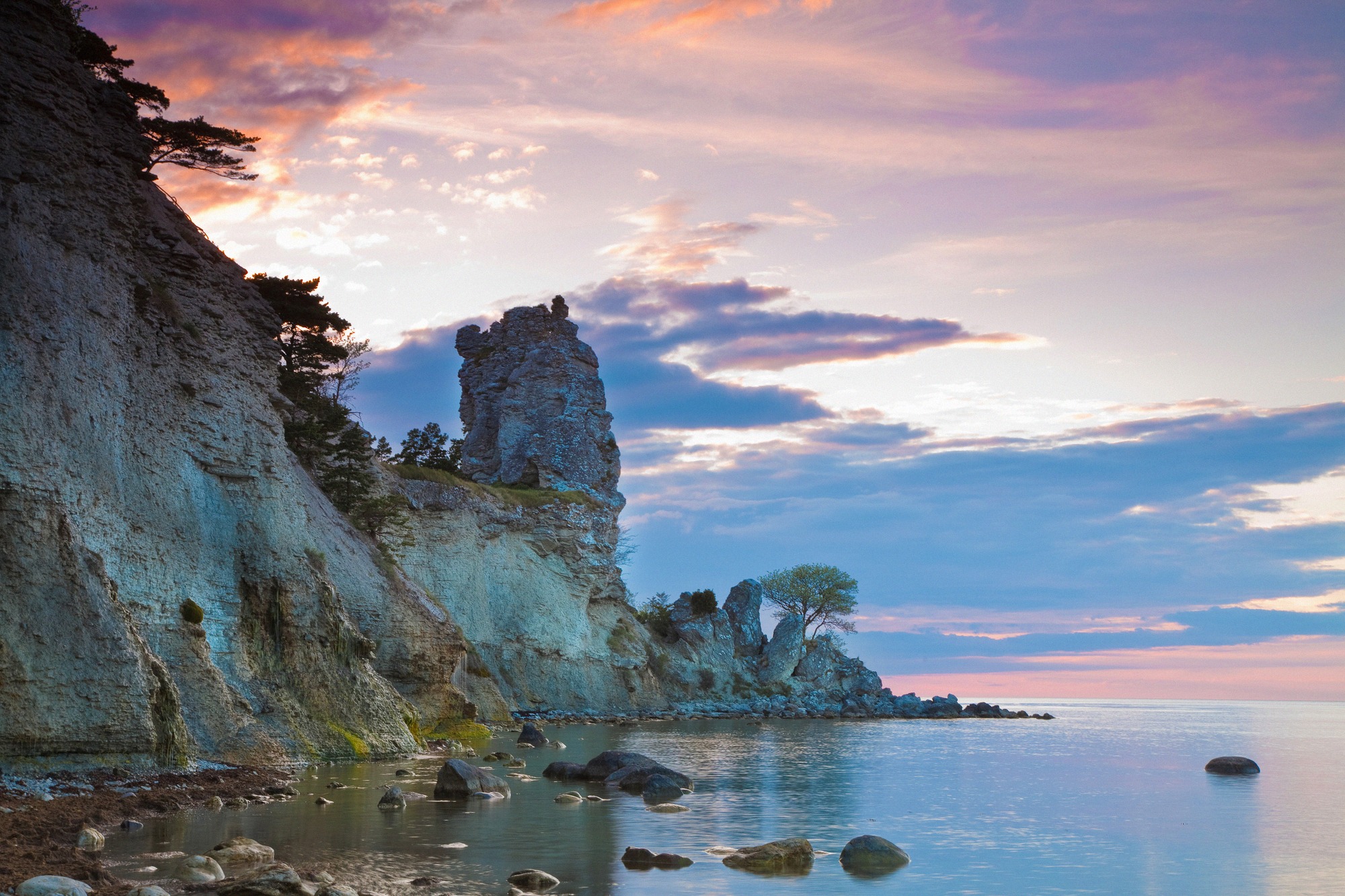
The Langhammars nature reserve on northern Fårö holds around 50 raukar at the pebble beach of Klajvika - Gotland's most photographed limestone stacks.
Sudersand
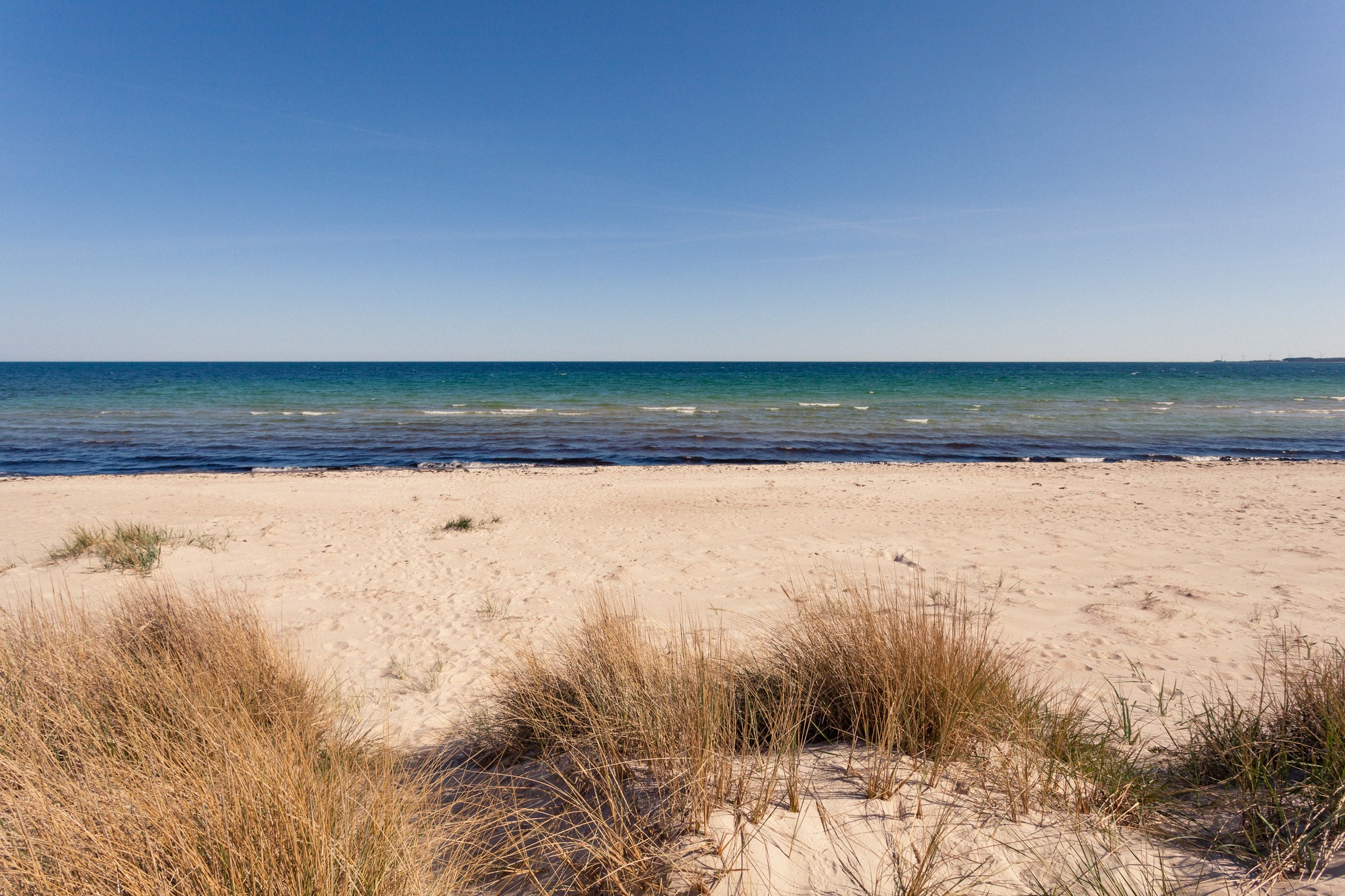
Sudersand in northeast Fårö is a wide, white sand beach with shallow, clear water and dunes, repeatedly voted Sweden's most beautiful beach.
Lärbro Church
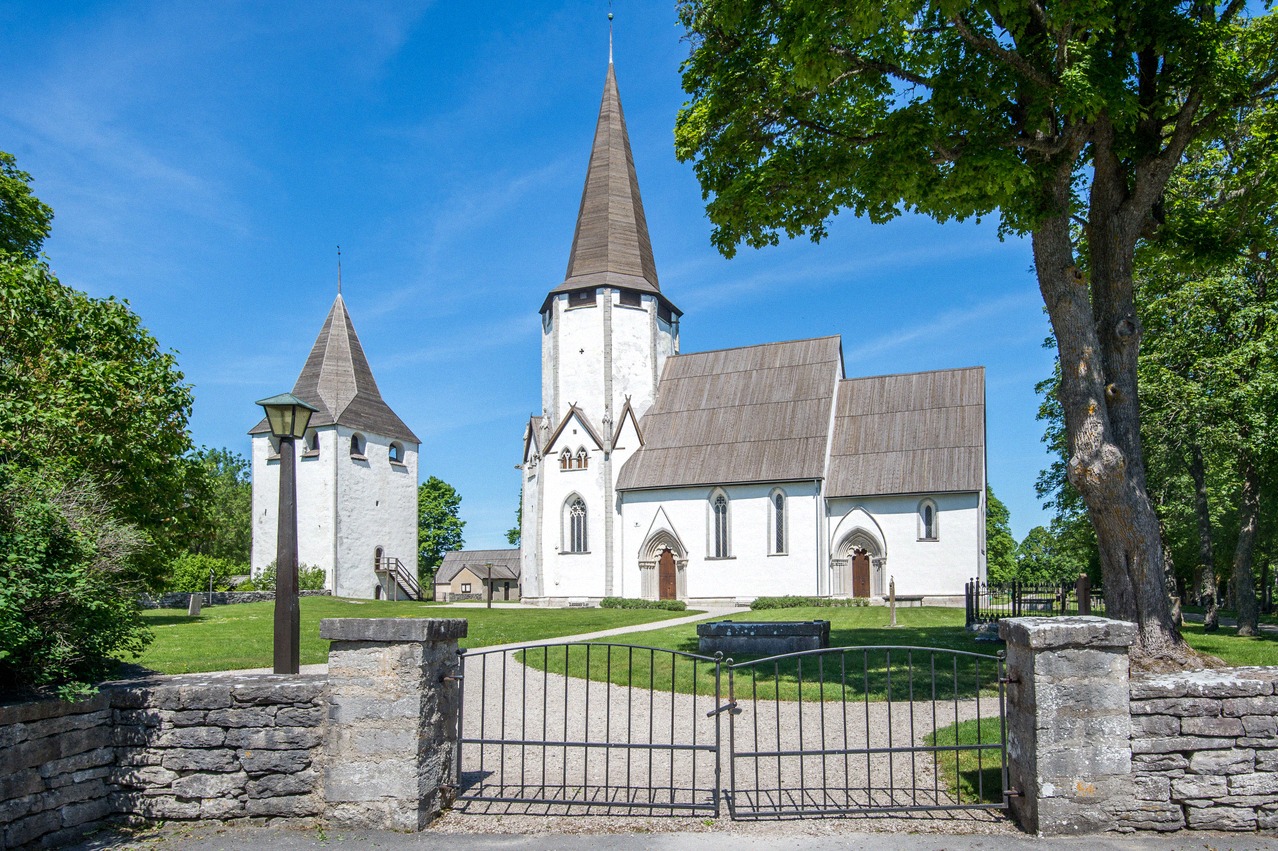
Lärbro kyrka in northern Gotland is a medieval rural church with a rare octagonal west tower and a well-preserved kastal beside it.