
Nature & Landscape on Gotland
Raukar coastlines, the Lummelunda Cave, bird reserves, around 40 orchid species and the wild Gotland Russ ponies: Gotland's nature explained clearly.
Contents
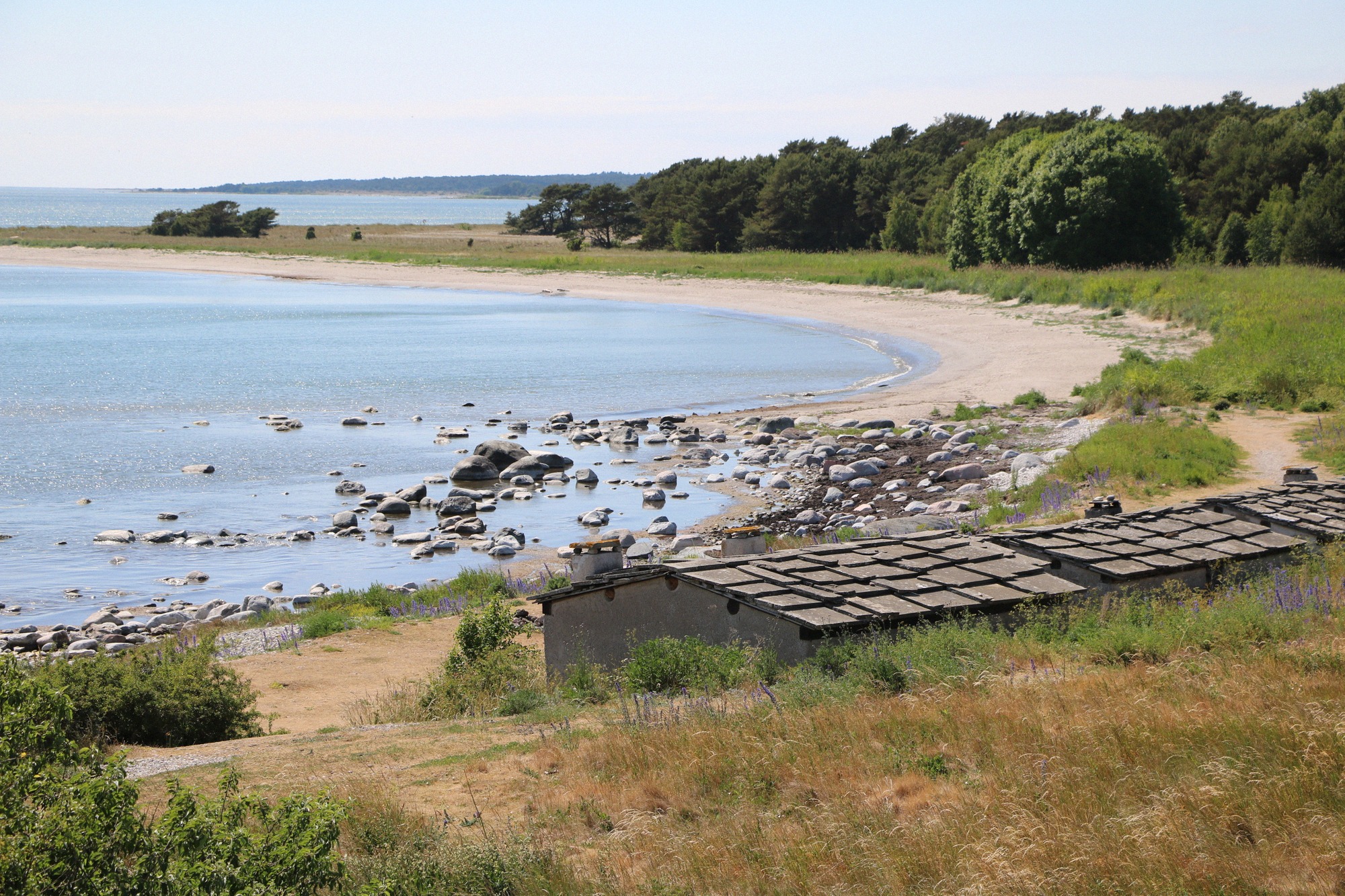
Gotland's nature is a product of what lies beneath it: the whole island is built on limestone, and this lime-rich ground produces a landscape found nowhere else in Sweden, sea stacks along the coast, open heathland, caves and meadows full of orchids. This overview covers the island's key natural sights and when it's worth visiting each one.
An Island Built from Coral Limestone
Gotland's bedrock formed in the Silurian period, around 430 million years ago, as a coral reef in a warm, tropical sea off the coast of a continent in the southern hemisphere. The shells of lime-forming organisms settled and compacted into the limestone layers the island now rests on. This bedrock shapes everything else: the raukar along the coast, the barren heathland known as "alvar", the cave systems and the lime-loving flora Gotland is known for.
Raukar - Limestone Stacks by the Sea
These striking limestone pillars are the island's most eye-catching natural feature. They form through differential erosion: waves, wind, water, gravity and organisms wear away the softer, layered limestone and marl, while the harder reef limestone stands as a column. Most raukar are between about one and eight metres tall; the island's tallest, "Jungfrun" near Lickershamn, stands around 12 metres high.
The most spectacular fields are on Fårö:
- Digerhuvud: Sweden's largest raukar field, stretching around 3,500 metres along Fårö's west coast.
- Langhammars: over 50 raukar stand here on a boulder beach, some more than eight metres tall.
- Folhammar, near Ljugarn: a well-developed raukar field on the east coast, closer to Visby.
The raukar stand in the open and are freely accessible all year round. A full overview of every field is in the raukar guide.
Lummelunda Cave
About 13 to 14 kilometres north of Visby lies Lummelundagrottan, Sweden's best-known limestone cave. Around four kilometres of the cave system have been explored so far; visitors see the developed section on a guided tour. The standard tour takes around 30 minutes (a "Dark Tour" about 40, the children's tour around 25), and the ticket also includes a small exhibition and an eight-minute film.
- Opening hours 2026: June daily 11:00-14:00, July and August daily 10:00-17:00, September daily 11:00-14:00, October Saturdays and Sundays only 11:00-14:00. The cave is closed in winter and spring, when it is flooded with water.
- Admission: adults 195 SEK, children aged 4-12 110 SEK, children up to 3 free.
- Getting there: the cycle path from Visby is 13 kilometres long, and a one-way ride takes around 45 minutes.
Because the inside isn't affected by weather, the cave makes a good option for a cooler or rainy day, though only during the season, from June to October.
Orchids and Lime-Rich Meadows
Gotland is famous for its orchids: around 40 species grow on the island (excluding hybrids), or about 65 counting subspecies and hybrids. The flowering season runs through spring and early summer:
- Late April and May: early bloomers such as the early purple orchid ("Adam och Eva") and the early marsh orchid ("Sankt Pers nycklar").
- June: peak diversity, with species such as the white helleborine, fragrant orchid and military orchid.
- July: late bloomers such as the marsh helleborine.
The best-known spot is the bird island Stora Karlsö, home to over 20 species; in late May and early June, thousands of early purple and early marsh orchids turn parts of the island into proper orchid meadows. Östergarns prästänge (an old hay meadow), plus the alvar heathland and coastal meadows across the island, are also good places to look. Many of these meadows are in full bloom in June, more in the hiking guide.
Birds, Reserves and the Karlsö Islands
The open landscape and long coastline make Gotland a good destination for birdwatchers, especially in spring and autumn during the migration season.
- Stora Karlsö: a nature reserve since 1970, covering 1,180 hectares (246 ha land, 934 ha water), with a bird cliff and large colonies of razorbills and common guillemots. Boats run from Klintehamn from early May into August or September.
- Närsholmen: one of the island's best birdwatching sites, an area of grazed pasture; large numbers of migratory birds rest here in spring and autumn, including curlew, avocet, dunlin and ruff. Many barnacle geese gather to rest at Glasskär.
- Fårö: a good spot for migratory birds in late spring and early summer, where species otherwise rare on Gotland turn up regularly.
The biggest natural adventure lies offshore: Gotska Sandön, a national park of around 3,600 hectares, roughly 37 kilometres north of Fårö. This sand island, with around three miles of beach, pine forest and dunes, is a well-known migratory bird spot and has around six miles of hiking trails. Getting there and staying overnight are only possible via strictly limited boat places, details in the hiking guide.
Gotland Russ, the Wild Ponies of Lojsta Hed
The Gotland Russ is Sweden's oldest native horse breed. The only wild herd lives at Lojsta hed in the centre of the island, Sweden's only Russ reserve. The fenced area covers 650 hectares and is split into three paddocks; the aim is to preserve the breed in its original environment. In winter the herd numbers around 50 animals, rising to about 80 in summer and autumn once the foals are born. Visitors can walk into the summer and autumn paddocks unaccompanied, a worthwhile stop for anyone travelling with children (see also the family guide).
Out and About
The best way to experience Gotland's nature is on foot or by bike: more in the hiking and cycling guides. Signposted rules apply in the nature reserves; elsewhere, Sweden's right of public access (Allemansrätten) allows you to move freely through the countryside, with respect for plants, animals and landowners. If you want to combine orchid meadows, bird migration and mild temperatures, early summer is the best time to visit; the attractions overview gives an overview of the island's other highlights.